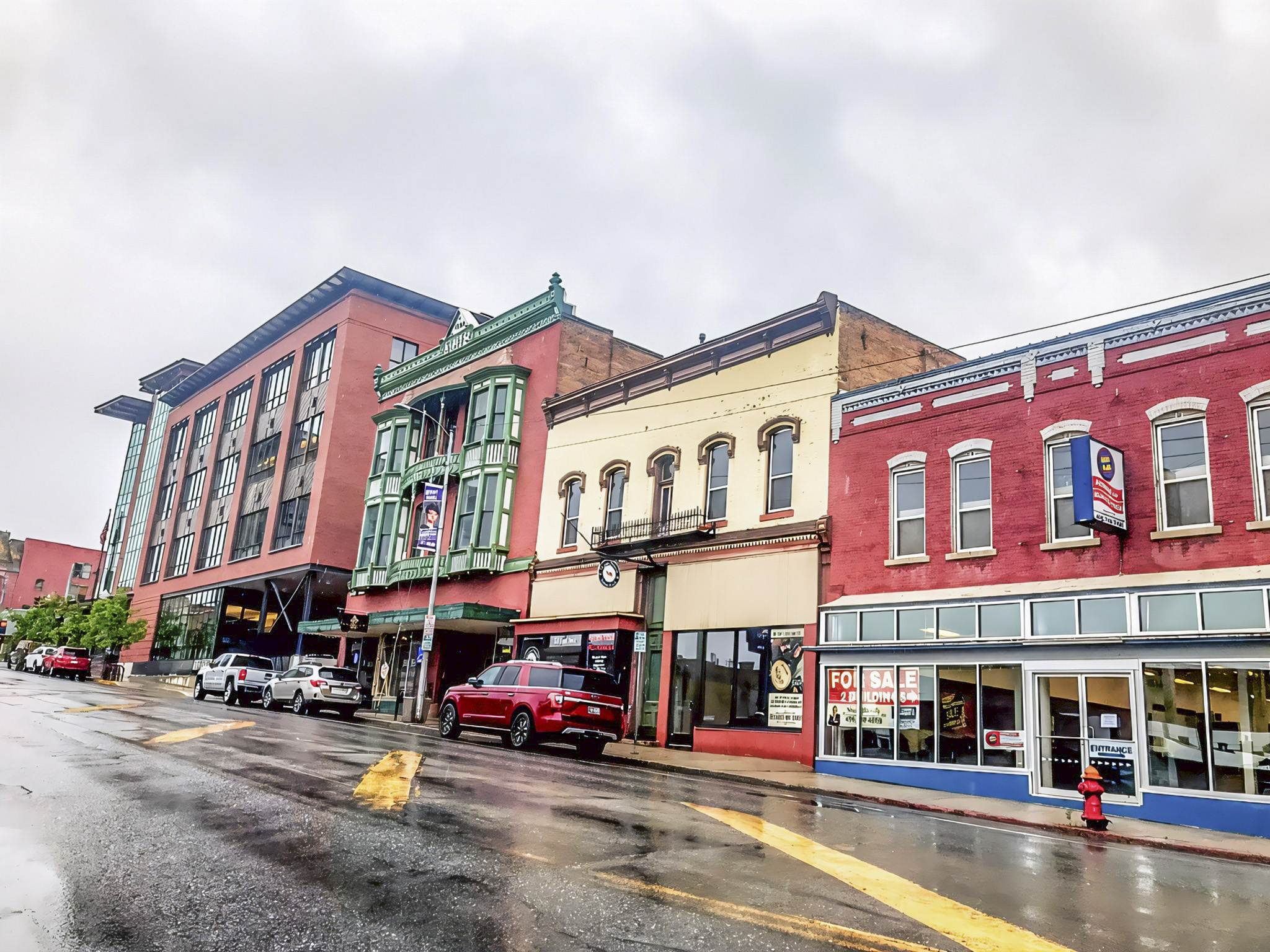

Located in southwestern Montana near the Continental Divide, Butte is a historic mining city famous for its copper industry, cultural heritage, and well-preserved architecture. Originally established as a mining settlement following the discovery of gold in the 1860s, Butte expanded rapidly when prospectors discovered valuable silver and copper deposits. The growing demand for copper during America’s industrial expansion transformed the city into one of the world’s most important mining centers, earning it the nickname “The Richest Hill on Earth.” Mining attracted thousands of workers from Ireland, China, Italy, and other parts of the world, creating a culturally diverse community. The city’s mining industry also played an important role in the development of organized labor in the United States. Today, Butte’s historic significance is recognized through the Butte-Anaconda National Historic Landmark District, which preserves the region’s industrial and cultural heritage (National Park Service [NPS], n.d.; City and County of Butte-Silver Bow, n.d.).
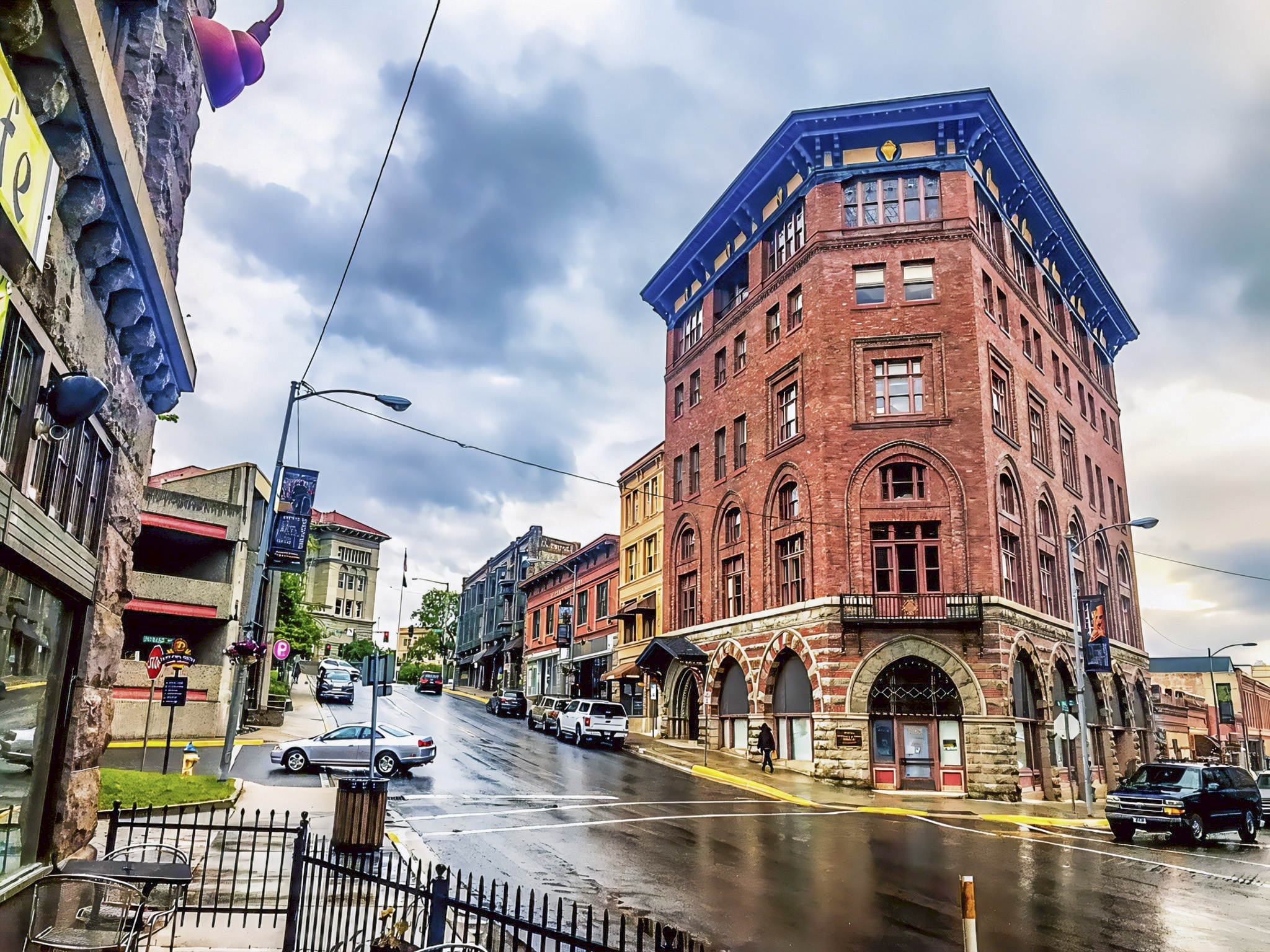
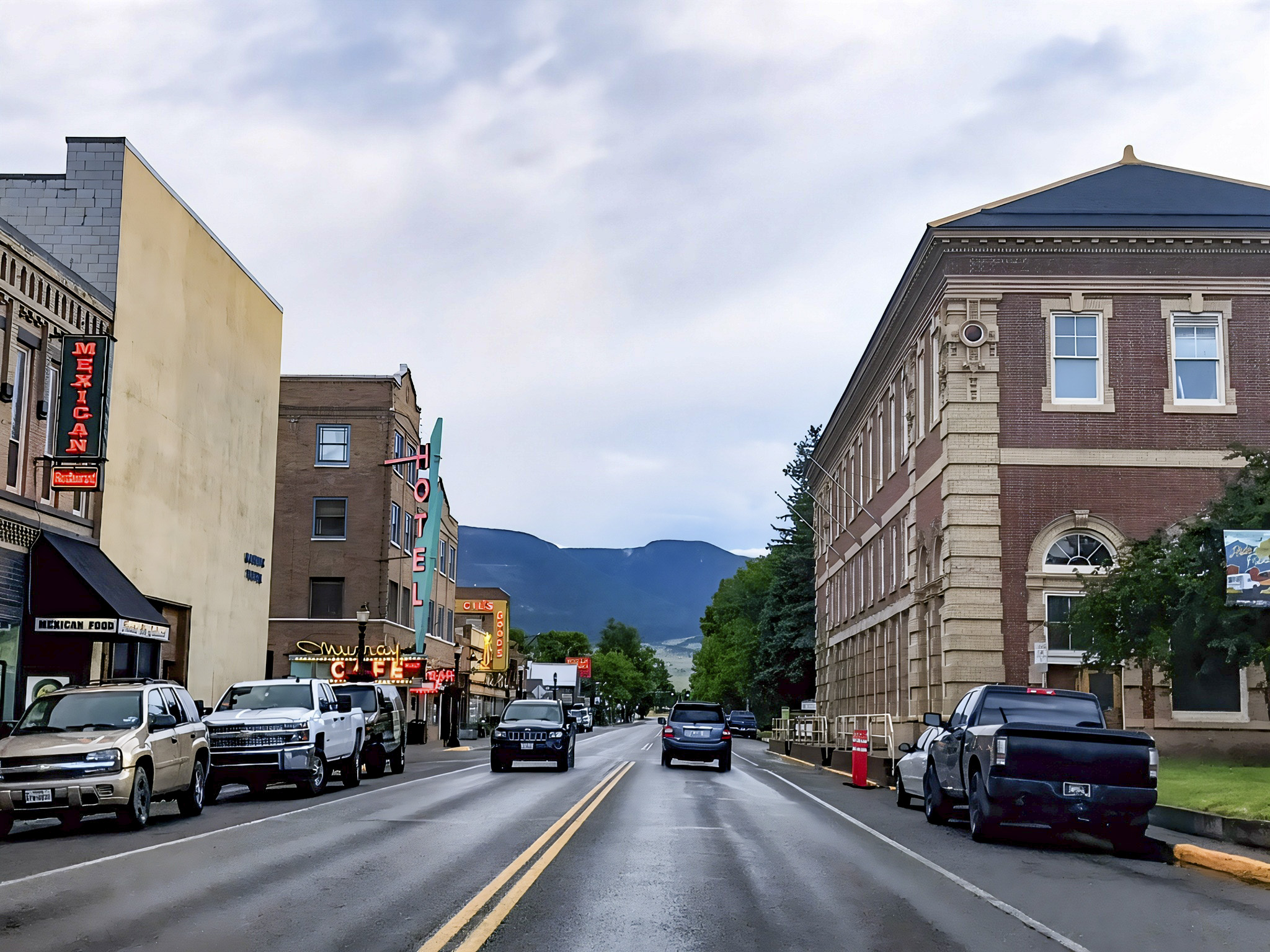
Butte’s historic Uptown district offers visitors an opportunity to explore the architectural legacy of its mining prosperity. The downtown area contains numerous historic brick buildings, former banks, hotels, commercial establishments, and institutional structures that reflect the city’s economic development during the late nineteenth and early twentieth centuries. Architectural styles found throughout the historic district include Queen Anne, Neoclassical, and Renaissance Revival, demonstrating the influence of different architectural traditions during Butte’s expansion. Visitors can walk along the downtown streets, explore locally operated shops, and learn about the city’s past through guided historical tours. Attractions such as Old Butte Historical Adventures provide opportunities to explore historic underground spaces, while the World Museum of Mining introduces visitors to the working conditions and equipment associated with Butte’s mining industry. The city’s compact Uptown district is particularly suitable for walking, although its hillside streets can be steep (University of Montana, n.d.; Montana Office of Tourism, n.d.; City and County of Butte-Silver Bow, n.d.).

For science enthusiasts, Butte offers an interesting opportunity to understand how geology shaped the development of an entire city. Its mineral wealth formed through geological processes involving magma, heated underground fluids, and mineral-rich fractures within the Earth’s crust. These processes concentrated economically valuable metals, particularly copper, in the rocks beneath the Butte area. Copper eventually became essential to the expansion of electrical systems because of its excellent electrical conductivity, helping explain why Butte’s deposits were so important during industrialization. The mining district contains a major porphyry copper system, and its underground mineral resources supported extensive mining operations for generations. Visitors interested in geology can explore the region’s mining landscape to better understand the relationship between natural mineral deposits, industrial technology, and economic development (Box et al., 2012; Elliott et al., 1986; University of Montana, n.d.).
Butte’s mining history also provides lessons about environmental science and the long-term effects of mineral extraction. One of the city’s most recognizable industrial landmarks is the Berkeley Pit, a former open-pit copper mine that began operating in the 1950s. After mining operations ended and pumping stopped, groundwater gradually filled the excavation, creating a highly acidic lake containing dissolved metals. The surrounding mining region has also experienced contamination associated with historic mine waste, leading to extensive environmental monitoring and cleanup efforts. For visitors, Butte offers more than historic buildings and mining attractions; it provides an opportunity to examine how natural resources influence human settlement, economic growth, and environmental management. Exploring its historic streets, mining landmarks, and surrounding Rocky Mountain landscape reveals how geology, industry, and community history have shaped this distinctive Montana city (City and County of Butte-Silver Bow, n.d.; U.S. Geological Survey, 2023).


References
Box, S. E., Bookstrom, A. A., & Anderson, R. S. (2012). Origins of mineral deposits, Belt-Purcell Basin, United States and Canada: An introduction. Economic Geology, 107(6), 1081–1088. https://www.usgs.gov/publications/origins-mineral-deposits-belt-purcell-basin-united-states-and-canada-introduction
City and County of Butte-Silver Bow. (n.d.). Finding your way around town. https://www.bsbmt.gov/479/Finding-Your-Way-Around-Town
City and County of Butte-Silver Bow. (n.d.). History & culture. https://www.bsbmt.gov/481/History-Culture
Elliott, J. E., Loen, J. S., Wise, K. K., & Blaskowski, M. J. (1986). Mines and prospects of the Butte 1° × 2° quadrangle, Montana (Open-File Report 86-632). U.S. Geological Survey. https://doi.org/10.3133/ofr86632
Montana Office of Tourism. (n.d.). Butte day trip. https://visitmt.com/trip-ideas/butte-day-trip
National Park Service. (n.d.). Butte-Anaconda Historic District, Montana. https://www.nps.gov/places/butte-anaconda-historic-district.htm
University of Montana. (n.d.). Butte-Anaconda National Historic Landmark District. https://www.umt.edu/this-is-montana/short-notes/stories/butte-anaconda-historical-landmark-district.php
U.S. Geological Survey. (2023). Spatiotemporal variations in copper, arsenic, cadmium, and zinc concentrations in surface water, fine-grained bed sediment, and aquatic macroinvertebrates in the upper Clark Fork Basin, western Montana—A 20-year synthesis, 1996–2016. https://pubs.usgs.gov/publication/sir20235070/full
AI Disclosure Statement:
Artificial intelligence tools were used in the creation of this page, including elements such as writing, image enhancement/generation, voice enhancement, and/or editing support. All final creative decisions were made by the creator.

Leave a Reply