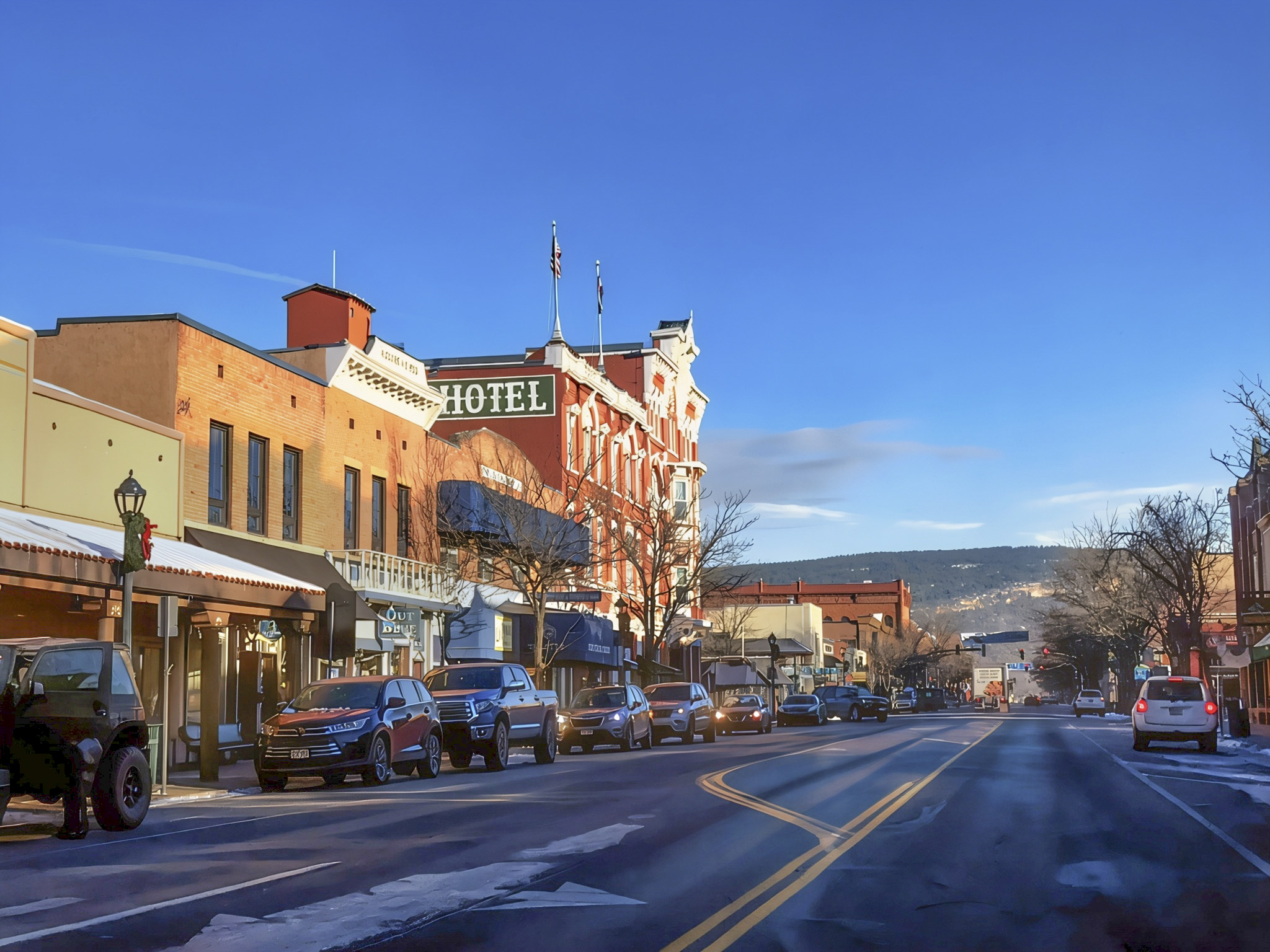

Durango is a historic mountain town in southwestern Colorado, set in the Animas River Valley at the edge of the San Juan Mountains. The community developed as an important transportation and commercial center for mining, ranching, logging, and agriculture, and its downtown still preserves many late-19th-century buildings. Durango was established by the Denver & Rio Grande Railway around 1880–1881, and the railroad played a major role in transforming the settlement into the regional center it is today (Visit Durango, n.d.-a; Durango & Silverton Narrow Gauge Railroad, n.d.). Its setting—where high desert landscapes meet forested mountains—also makes Durango a useful base for exploring southwestern Colorado.
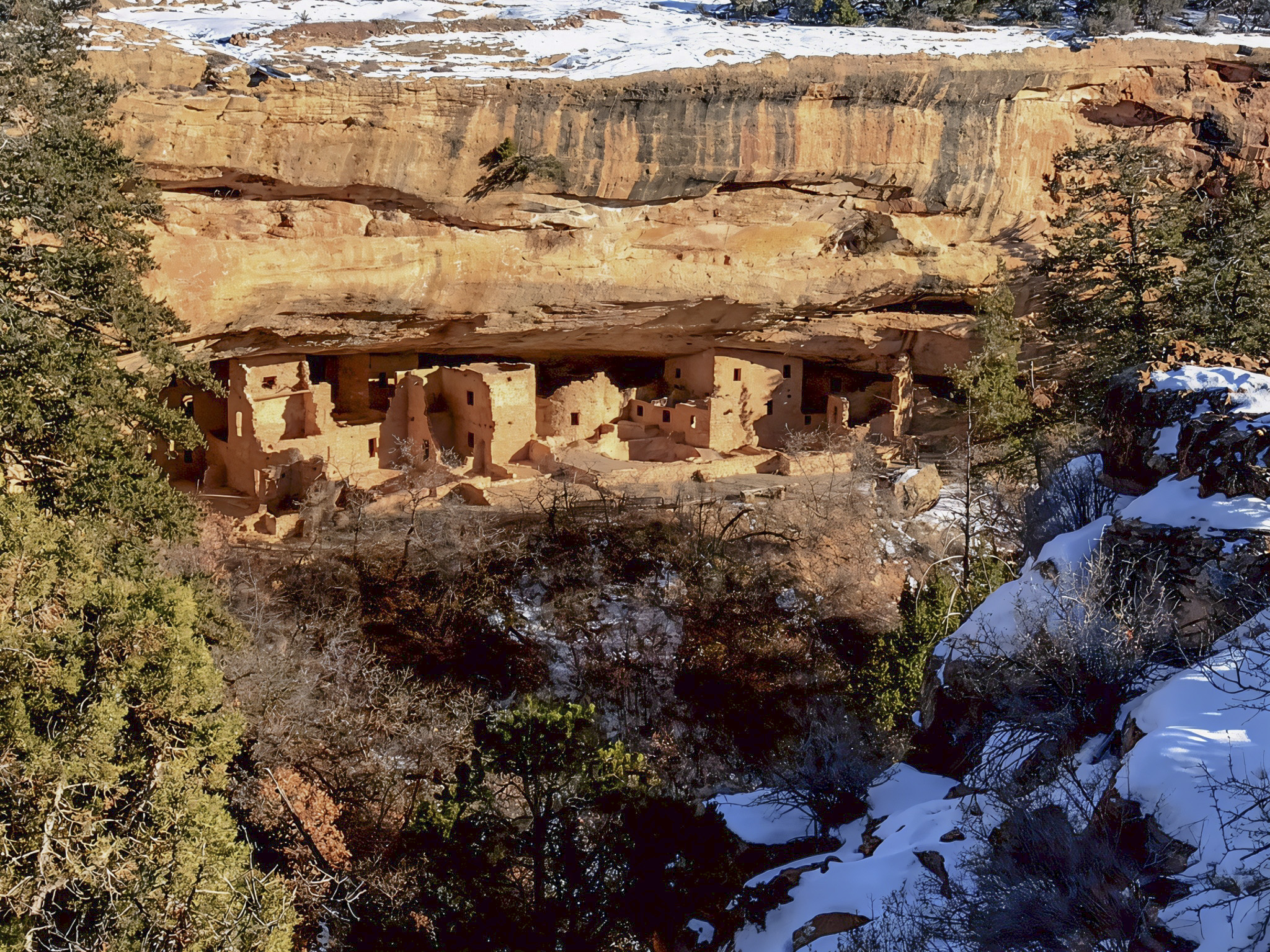
For travelers, Durango offers a mix of outdoor recreation, historic attractions, and scenic driving. One of its best-known experiences is the Durango & Silverton Narrow Gauge Railroad, which follows approximately 45 miles of historic track north toward Silverton through the rugged San Juan Mountains. The line was completed in 1882 primarily to transport gold and silver ore, although scenic passenger travel soon became an important part of its operation (Durango & Silverton Narrow Gauge Railroad, n.d.). Visitors can also explore historic downtown, walk or cycle along the Animas River Trail, hike and mountain-bike nearby trails, enjoy rafting or fishing on the Animas River, or use Durango as a gateway to San Juan National Forest, Purgatory Resort, and nearby Mesa Verde National Park (Visit Durango, n.d.-b).

Durango’s history is closely connected with the mineral boom of the San Juan Mountains. Before Durango existed, nearby Animas City served as an early regional settlement, but the Denver & Rio Grande Railway chose to establish a new town farther south after disagreements over the proposed railroad route. Durango was surveyed in 1880, and businesses gradually shifted toward the new rail center; Animas City was eventually incorporated into Durango in the 20th century (Visit Durango, n.d.-c). The city’s railroad heritage remains one of its most distinctive features, and an interesting fact is that the Durango–Silverton line survived long after many other narrow-gauge railroads disappeared, allowing visitors today to experience technology and transportation practices rooted in the late 1800s.
For science-minded travelers, the surrounding landscape tells an even older story. Much of the nearby San Juan Mountains belongs to the enormous San Juan volcanic field, where repeated volcanic eruptions tens of millions of years ago produced thick lava deposits, ash-flow tuffs, and large volcanic calderas. These volcanic rocks later became associated with rich mineral deposits that helped drive the region’s historic mining industry (U.S. Geological Survey [USGS], 2010). The Animas River also makes Durango an important location for hydrology and environmental research: the USGS maintains a long-running monitoring station in the city that records variables such as river discharge, temperature, pH, and turbidity, helping scientists study changing water conditions in the watershed (USGS, 2026). Together, Durango’s volcanic geology, river system, mountain ecosystems, and mining history make the area especially interesting for travelers who enjoy seeing how natural science and human history intersect.


References:
Durango & Silverton Narrow Gauge Railroad. (n.d.). Train history.
Durango & Silverton Narrow Gauge Railroad – Train History
U.S. Geological Survey. (2010). A geologic and anthropogenic journey from the Precambrian to the new energy economy through the San Juan volcanic field.
U.S. Geological Survey – San Juan Volcanic Field
U.S. Geological Survey. (2026). Animas River at Durango, CO – USGS Water Data for the Nation.
USGS Animas River Monitoring Station
Visit Durango. (n.d.-a). About Durango, Colorado.
Visit Durango – About Durango
Visit Durango. (n.d.-b). Things to do in Durango.
Visit Durango – Things to Do
Visit Durango. (n.d.-c). Historic walking tour facts.
Visit Durango – Historic Walking Tour Facts
AI Disclosure Statement:
Artificial intelligence tools were used in the creation of this page, including elements such as writing, image enhancement/generation, voice enhancement, and/or editing support. All final creative decisions were made by the creator.


Leave a Reply