

Nestled in the Elk Mountains of the Colorado Rockies, Aspen is a scenic mountain town in Pitkin County, situated along the upper Roaring Fork Valley. Known worldwide for its skiing, luxury resorts, spectacular alpine landscapes, and cultural attractions, Aspen offers much more than a winter vacation destination. The town combines outdoor adventure with historic architecture, upscale shopping, fine dining, and a lively arts community. One of its most recognizable features is Aspen Mountain, also known as Ajax, where steep ski trails descend toward the historic downtown district. Visitors can explore streets lined with red-brick and sandstone buildings while enjoying views of forested mountains and snow-covered slopes. Aspen’s compact downtown, including the pedestrian-friendly Cooper Avenue and Hyman Avenue malls, makes it easy to discover boutiques, restaurants, art galleries, and public gathering spaces on foot (Aspen Chamber Resort Association, n.d.-a; City of Aspen Recreation, n.d.).
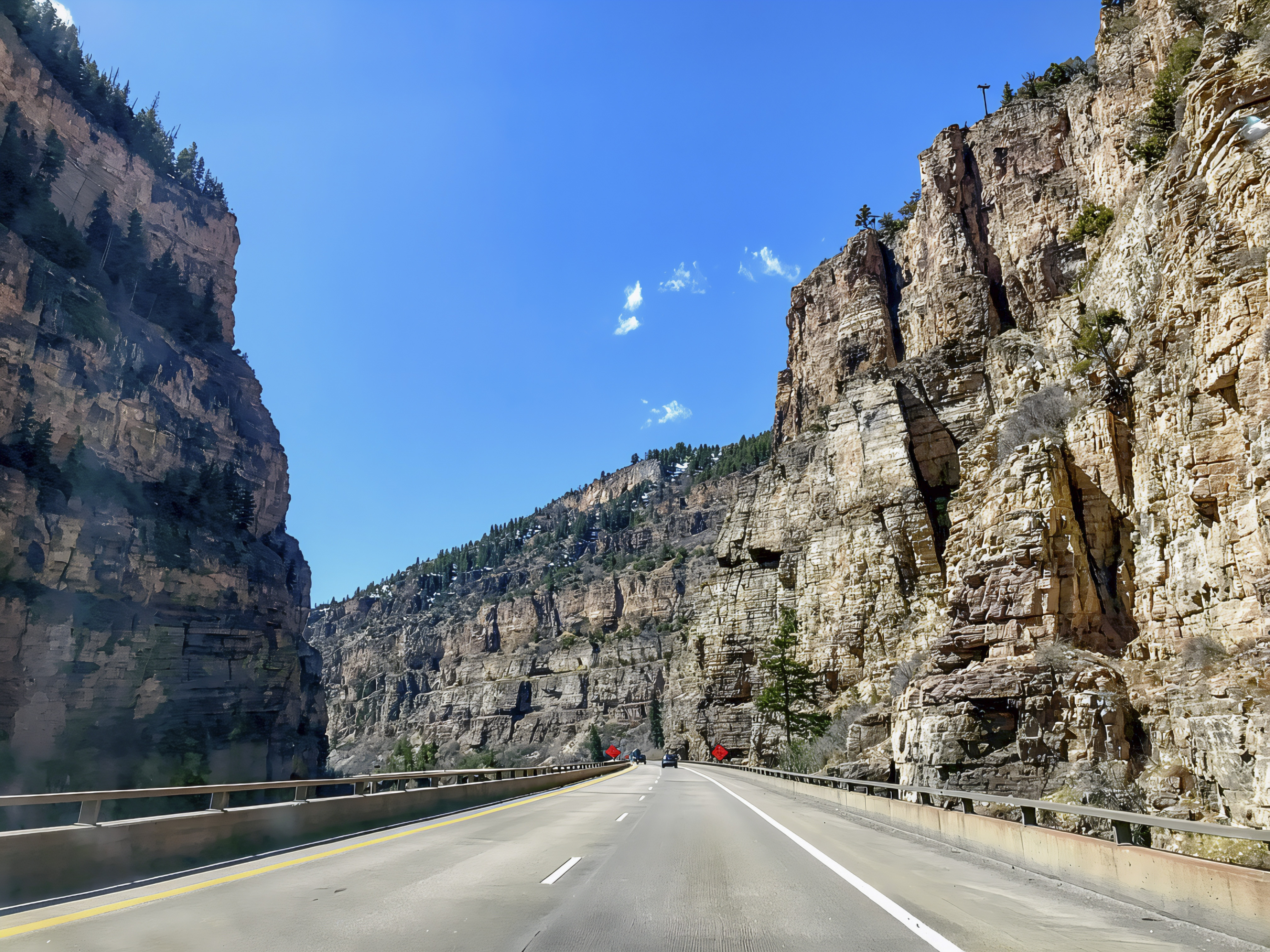
Traveling to Aspen is an adventure in itself, particularly for visitors interested in mountain scenery and geology. From Denver, travelers can follow Interstate 70 west through the Rocky Mountains toward Glenwood Springs before continuing southeast along Colorado Highway 82 through the Roaring Fork Valley. During warmer months, an alternative route crosses Independence Pass, a high-elevation mountain crossing known for its dramatic alpine terrain, although the road closes seasonally because of snow and hazardous driving conditions. Visitors can also arrive through Aspen/Pitkin County Airport, while local buses and pedestrian routes make exploring the town convenient without a vehicle. Once in Aspen, travelers can enjoy scenic drives, hiking trails, cycling routes, and winter recreation. The surrounding mountain environment also offers opportunities to observe how elevation influences ecosystems, from valley vegetation and aspen groves to conifer forests and alpine environments above the tree line (Aspen Chamber Resort Association, n.d.-b, n.d.-c).

Downtown Aspen is an attraction in its own right, offering an appealing mixture of preserved historic buildings, fashionable shops, public art, and inviting pedestrian spaces. Visitors can explore the tree-lined downtown malls, where brick-paved walkways, benches, decorative streetlamps, galleries, and restaurants create a welcoming atmosphere beneath the mountains. Notable architectural landmarks include the historic Elks Building, with its distinctive corner dome, and the former banking building now associated with Aspen Public House. Luxury boutiques and contemporary storefronts contribute to the town’s reputation as an international resort destination, while nearby Aspen Mountain provides a spectacular backdrop to the shopping district. Travelers interested in history and culture can also visit the Wheeler Opera House, explore exhibitions at the Wheeler/Stallard Museum, or venture into the surrounding valleys to discover historic mining settlements such as Ashcroft Ghost Town. These attractions offer opportunities to experience both Aspen’s modern resort culture and its preserved architectural heritage (Aspen Historical Society, n.d.-a, n.d.-b; City of Aspen Recreation, n.d.; Wheeler Opera House, n.d.).
Aspen’s fascinating history began long before it became a famous mountain resort. The upper Roaring Fork Valley was originally part of the ancestral homeland of the Ute people, who traveled through the region and used its natural resources. During Colorado’s silver-mining boom, prospectors established a settlement initially called Ute City, which was later renamed Aspen. Rich silver deposits transformed the community into one of Colorado’s most important mining centers, supporting impressive commercial buildings, banks, hotels, and entertainment venues. However, the collapse of the silver economy brought a lengthy period of decline, leaving Aspen to depend increasingly on ranching and other activities. The town eventually experienced a revival as skiing, recreation, and cultural development attracted new residents and visitors. Its mining history also provides an interesting connection to geology: the mineral-rich rocks of the surrounding mountains helped shape Aspen’s early economy, while the rugged terrain and snowy climate later helped transform it into a major alpine recreation destination. Today, Aspen’s historic downtown and mountain setting preserve the connection between geological resources, human settlement, and the evolution of a Colorado mountain community (Aspen Historical Society, n.d.-c; Wheeler Opera House, n.d.).


References
Aspen Chamber Resort Association. (n.d.-a). Local transportation. https://aspenchamber.org/plan-trip/get-to-aspen/local-transportation
Aspen Chamber Resort Association. (n.d.-b). By car. https://aspenchamber.org/plan-trip/get-to-aspen/by-car
Aspen Chamber Resort Association. (n.d.-c). By air. https://aspenchamber.org/plan-trip/get-to-aspen/by-air
Aspen Historical Society. (n.d.-a). Wheeler/Stallard Museum. https://aspenhistory.org/wheeler-stallard-museum
Aspen Historical Society. (n.d.-b). Ashcroft Ghost Town. https://aspenhistory.org/ashcroft-ghost-town
Aspen Historical Society. (n.d.-c). Local history timeline. https://aspenhistory.org/local-history-timeline
City of Aspen Recreation. (n.d.). Pedestrian Mall. https://www.aspenrecreation.com/parks-trails/aspen-area-parks/pedestrian-mall
Wheeler Opera House. (n.d.). Our story. https://wheeleroperahouse.com/our-story
AI Disclosure Statement:
Artificial intelligence tools were used in the creation of this page, including elements such as writing, image enhancement/generation, voice enhancement, and/or editing support. All final creative decisions were made by the creator.

Leave a Reply