

White Sands National Park in southern New Mexico offers travelers an opportunity to explore an extraordinary landscape shaped by wind, water, and gypsum. Located in the Tularosa Basin, the park protects part of the world’s largest gypsum dunefield. Dunes Drive provides access to its interior, where visitors can enjoy short walks, photography, and expansive views of white sand against distant mountains. The road transitions from pavement to compacted gypsum, bringing ordinary passenger vehicles into the heart of this unusual environment. Because the landscape continually shifts, park crews regularly clear drifting sand and maintain the roadway. For science-loving travelers, the drive introduces a place where geological processes remain visibly active (National Park Service [NPS], 2020a, n.d.).
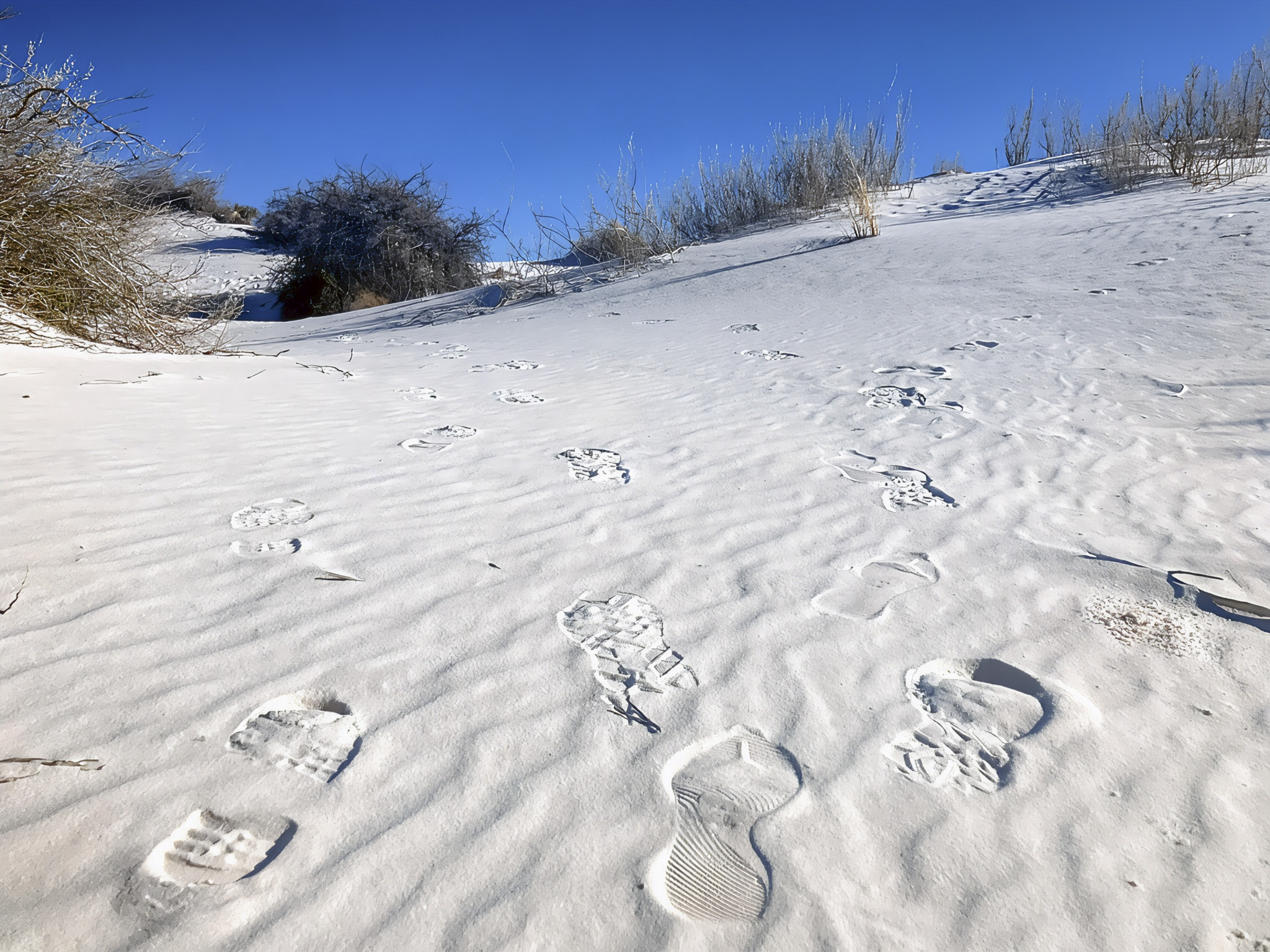
Walking across the sandy slopes offers opportunities to examine wind-carved ripples, appreciate the surrounding mountain scenery, and look for traces of desert wildlife. Sledding is another popular activity, provided visitors choose gentle slopes with unobstructed, level stopping areas away from roads and vegetation. Preparation matters because strong sunlight, heat, and sudden weather changes can make even short outings demanding. Fill water containers at the visitor center before continuing into the park, and bring sun protection, appropriate footwear, and a map. On established hiking routes, follow trail markers rather than other visitors’ footprints, and turn around if the route becomes unclear. Before arriving, check park access information because nearby missile-range testing can temporarily close Dunes Drive (NPS, 2020a, 2026).

The white sand has a geological history that begins with ancient seas. As seawater evaporated, it left deposits of gypsum that were eventually incorporated into the region’s rocks. Later, rain and snowmelt dissolved gypsum exposed in surrounding mountains and transported it into the Tularosa Basin. Water collected in ancient Lake Otero, and as the lake shrank, evaporation concentrated the minerals and left selenite crystals, a crystalline form of gypsum. Wind and water broke these crystals into smaller particles, producing the sand that now blankets the landscape. Mineral deposition and weathering continue around Lake Lucero and Alkali Flat. The delicate ripples underfoot and the larger sandy ridges illustrate the same broader process: wind transporting and rearranging sediment into changing landforms (NPS, 2020b, n.d.).
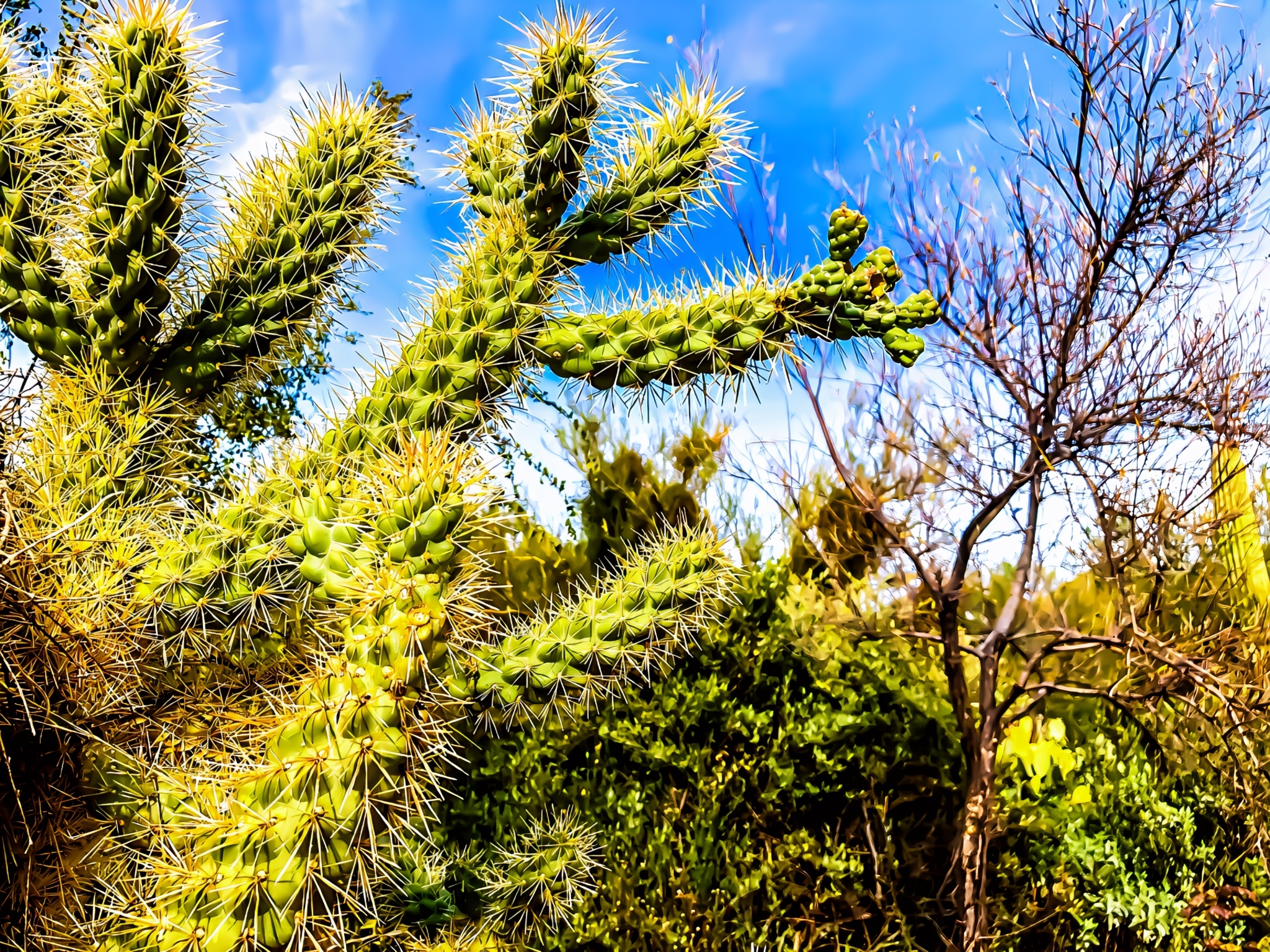
Despite its sparse appearance, White Sands supports plants and animals with adaptations to limited water, nutrient-poor ground, and shifting sand. Grasses such as alkali sacaton and Indian ricegrass provide seeds for small mammals, while vegetation stabilizes sand and creates shelter. Some trees and shrubs grow upward as sand accumulates around them, keeping their leaves exposed to sunlight. Animal residents include kangaroo rats, bleached earless lizards, and kit foxes, although visitors may find tracks more readily than the animals themselves. Pale coloration helps certain species blend into the white environment, offering a striking example of adaptation to local conditions. Observing quietly, avoiding vegetation, and never feeding wildlife allow travelers to appreciate this ecosystem while protecting the relationships that sustain it (NPS, 2022, 2024, 2026).


References
National Park Service. (n.d.). White Sands National Park. https://www.nps.gov/whsa/index.htm
National Park Service. (2020a). Driving Dunes Drive. https://www.nps.gov/whsa/planyourvisit/driving-dunes-drive.htm
National Park Service. (2020b). Geology of White Sands. https://www.nps.gov/whsa/learn/geology-of-white-sands.htm
National Park Service. (2022). Plants. https://www.nps.gov/whsa/learn/nature/plants.htm
National Park Service. (2024). Permanent residents, temporary visitors. https://www.nps.gov/places/permanent-residents-temporary-visitors.htm
National Park Service. (2026). Safety. https://www.nps.gov/whsa/planyourvisit/safety.htm
AI Disclosure Statement:
Artificial intelligence tools were used in the creation of this page, including elements such as writing, image enhancement/generation, voice enhancement, and/or editing support. All final creative decisions were made by the creator.

Leave a Reply