

The Organ Mountains rise east of Las Cruces in southern New Mexico, offering travelers a place to explore desert landscapes, mountain trails, and an extraordinary geological past. Part of Organ Mountains–Desert Peaks National Monument, the range reaches nearly 9,000 feet above sea level and supports habitats ranging from Chihuahuan Desert scrub to high-elevation ponderosa pine woodland. Its name is commonly linked to the resemblance of its rocky spires to the pipes of a musical organ. Las Cruces provides a convenient base, with Dripping Springs Natural Area accessible by following University Avenue and Dripping Springs Road east toward the mountains (Bureau of Land Management [BLM], n.d.-c; New Mexico Bureau of Geology and Mineral Resources [NMBGMR], 2025).
Hiking, birdwatching, picnicking, and camping provide different ways to experience the range. On the western side, Dripping Springs Natural Area offers more than four miles of relatively easy trails, along with a visitor center featuring interpretive displays. On the eastern side, Aguirre Spring Recreation Area offers camping and views across the Tularosa Basin toward White Sands National Park. Its four-mile Pine Tree Trail forms a loop, while the six-mile, one-way Baylor Pass Trail crosses the mountains and requires planning for the return journey or transportation. Aguirre Spring is reached from U.S. Highway 70, but its approach road becomes narrow, winding, and steep. Bring drinking water and check current access information before visiting; water at Aguirre Spring is available only near the recreation-area entrance (BLM, n.d.-a, n.d.-b).

The mountains preserve the remains of an ancient volcanic system that produced enormous explosive eruptions about 36 million years ago. Some rocks formed from hot volcanic ash that accumulated and welded together, while others developed as magma cooled underground. The latter include the Organ Needle Quartz Monzonite, a crystalline rock similar to granite. Later faulting, tilting, and erosion exposed parts of the buried magma system. An especially interesting scientific fact is that researchers can study both the erupted material and the solidified underground magma reservoirs within the same range. By dating tiny zircon crystals, Rioux et al. (2016) found evidence that several volcanic and intrusive rock units originated in a shared, long-lived magma system—a valuable clue to how volcanoes and their underground reservoirs develop (NMBGMR, 2025).
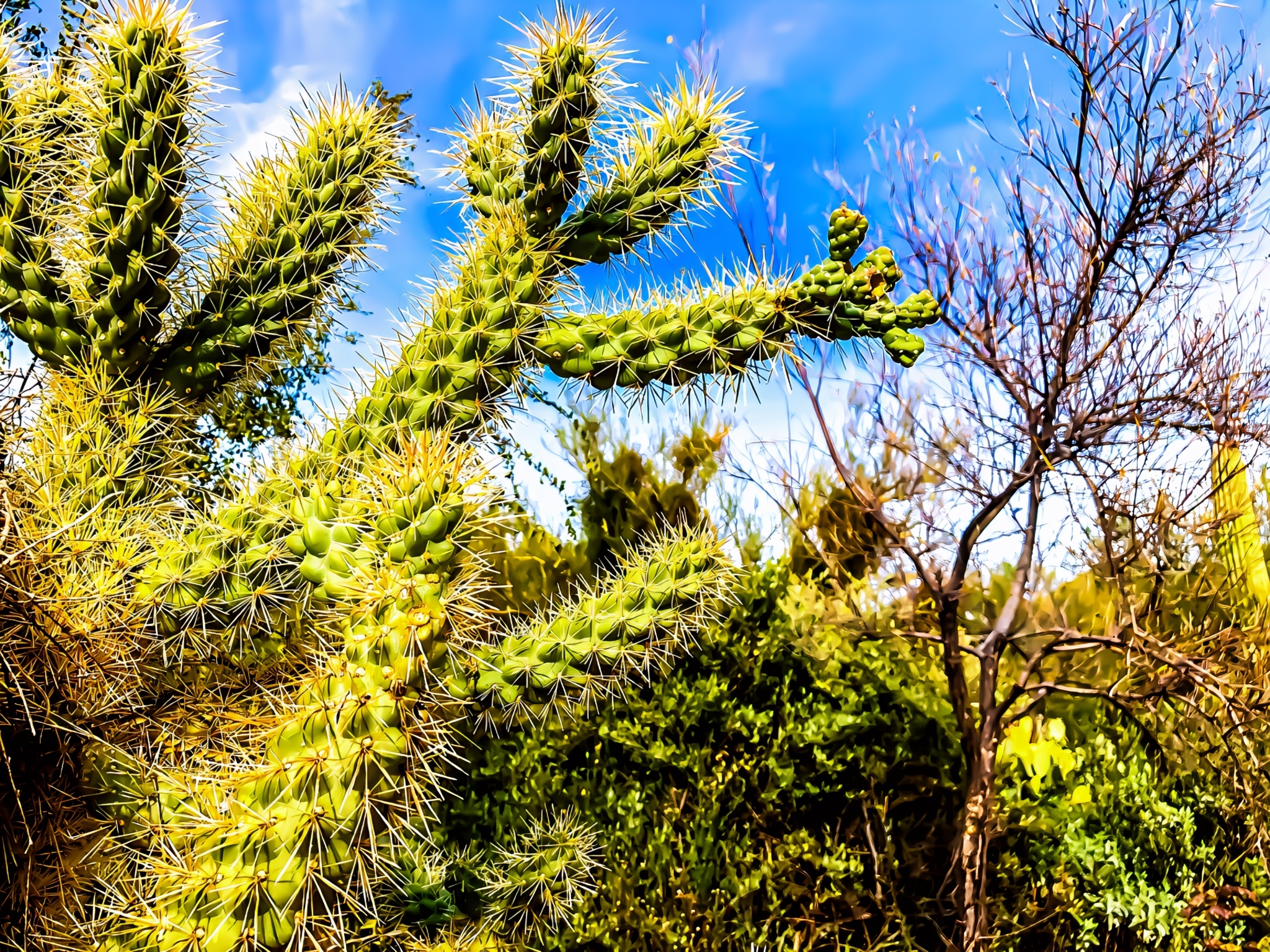
The Organ Mountains also reward visitors who pay attention to their living communities. Desert scrub gives way to piñon-juniper and oak woodlands, while higher elevations support ponderosa pines. Around Aguirre Spring, plants include alligator juniper, gray oak, mountain mahogany, and sotol. Seasonal streams and a few perennial springs create small pockets of streamside habitat within the surrounding dry landscape. At Dripping Springs, visitors may encounter Gambel’s quail, rock squirrels, desert mule deer, and coyotes, or spot red-tailed hawks and golden eagles overhead. These changes in vegetation and water availability make a mountain walk an opportunity to observe how different habitats support different organisms. Bringing binoculars and observing quietly can turn an ordinary hike into a rewarding natural-history outing (BLM, n.d.-a, n.d.-b, n.d.-c).


References
- Bureau of Land Management. (n.d.-a). Aguirre Spring Recreation Area and Campground. Link
- Bureau of Land Management. (n.d.-b). Dripping Springs Natural Area. Link
- Bureau of Land Management. (n.d.-c). Organ Mountains–Desert Peaks National Monument. Link
- New Mexico Bureau of Geology and Mineral Resources. (2025). Organ Mountains–Desert Peaks National Monument. Link
- Rioux, M., Farmer, L., Bowring, S., Wooton, K. M., Amato, J. M., Coleman, D. S., & Verplanck, P. L. (2016). The link between volcanism and plutonism in epizonal magma systems: High-precision U–Pb zircon geochronology from the Organ Mountains caldera and batholith, New Mexico. Contributions to Mineralogy and Petrology. Research summary and publication details
AI Disclosure Statement:
Artificial intelligence tools were used in the creation of this page, including elements such as writing, image enhancement/generation, voice enhancement, and/or editing support. All final creative decisions were made by the creator.


Leave a Reply