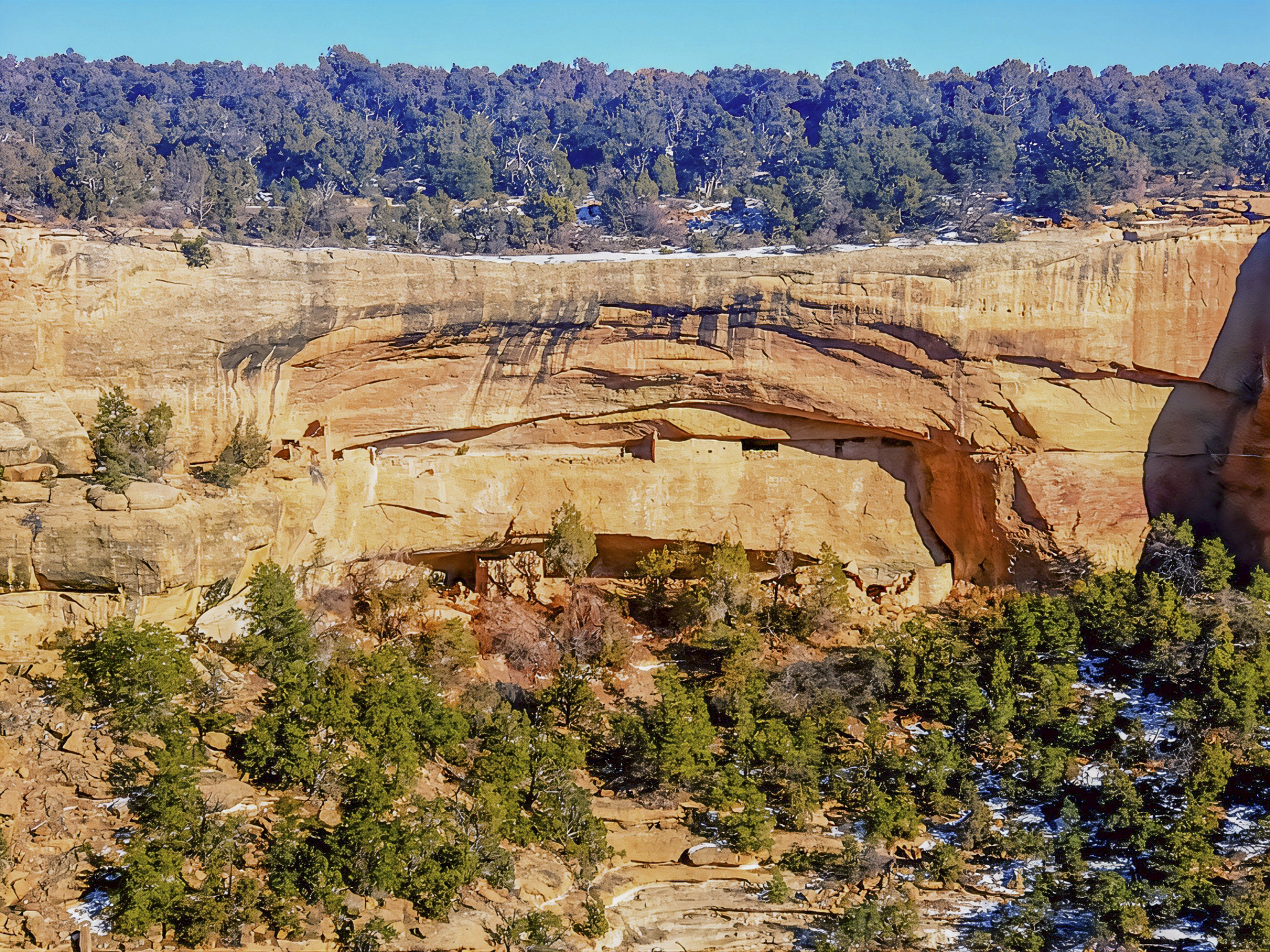

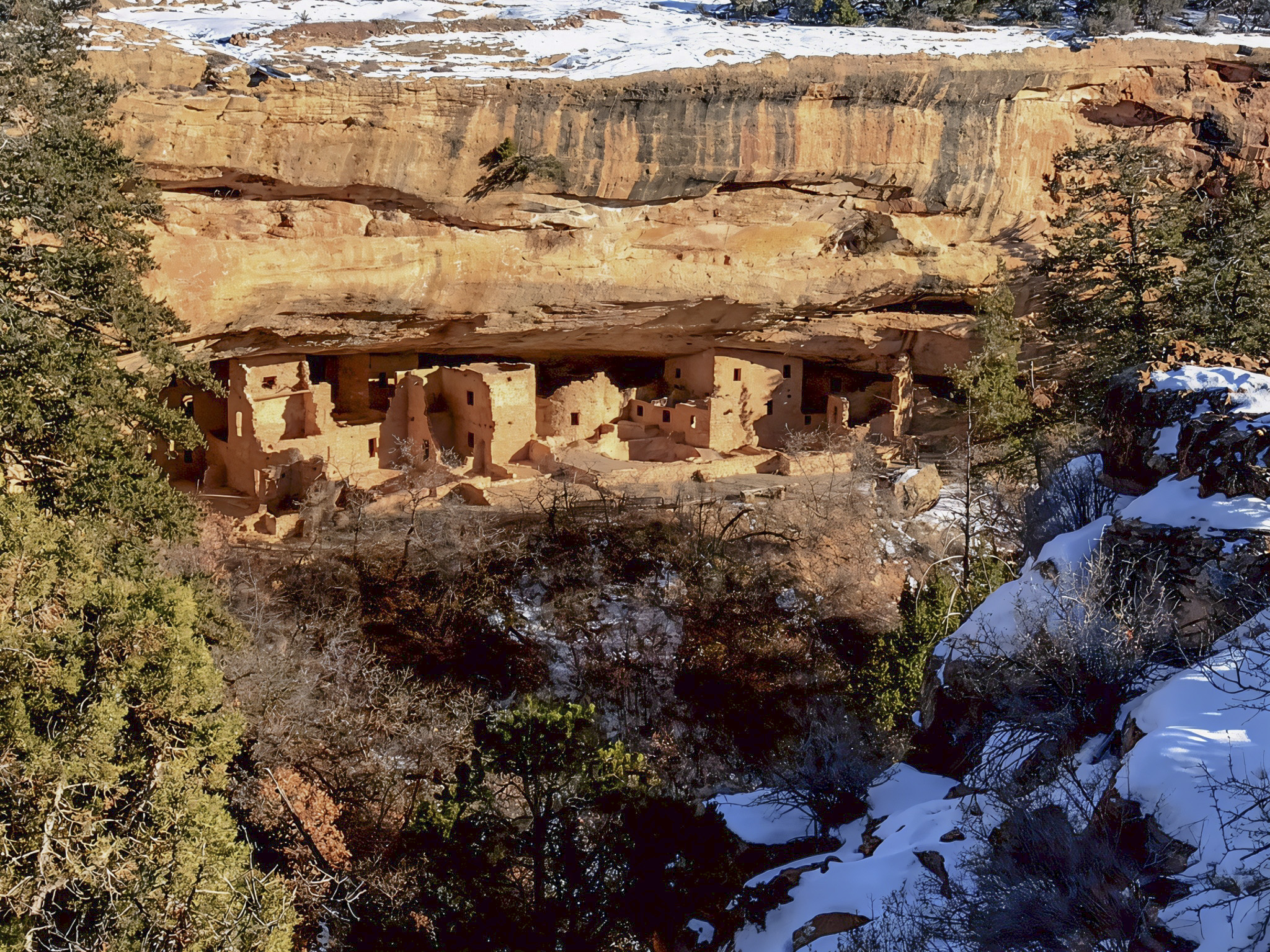
Cliff Palace is the largest known cliff dwelling in North America and one of the most recognizable archaeological sites in Mesa Verde National Park, Colorado. Built by Ancestral Pueblo people, the settlement contains about 150 rooms and more than 20 circular kivas, or ceremonial and community spaces, and may have supported roughly 100 residents. Its unusually large size and high number of kivas suggest that Cliff Palace may have served not only as a residential village but also as an important gathering, ceremonial, or administrative center for nearby communities (National Park Service [NPS], 2026a). The site is especially impressive because its builders fitted multistory stone structures into a large natural sandstone alcove while working with the limited space and irregular shape of the cliff.
For travelers, Cliff Palace can be viewed from overlooks along Cliff Palace Loop Road, while entering the site normally requires a ranger-guided tour and advance reservation. The tour involves uneven stone steps, about a quarter mile of walking, an elevation change of roughly 100 feet, and climbing several ladders, so visitors should be prepared for some physical exertion (NPS, 2026b). Even travelers who do not enter the dwelling can get excellent views from nearby overlooks, including locations along Mesa Top Loop Road. Because access, tours, and road conditions can change with the season, visitors should check current National Park Service information before arriving.

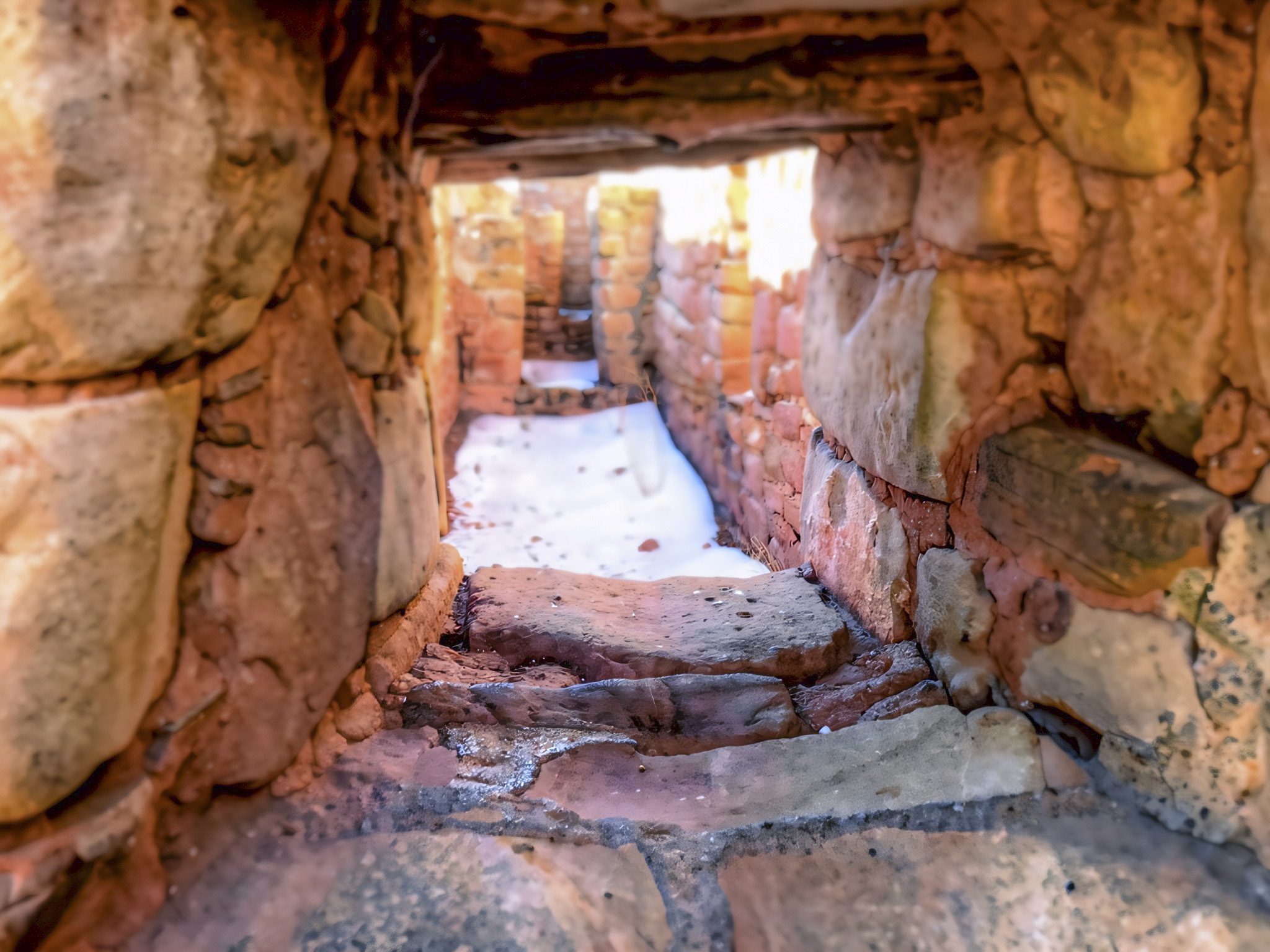
Historically, Cliff Palace was constructed mainly between about 1190 and 1280 CE, during a period when many Ancestral Pueblo communities were building villages inside the sandstone alcoves of Mesa Verde (NPS, 2026b). The residents continued farming on the mesa tops while living, storing food, conducting ceremonies, and carrying out daily activities within the cliff settlement. Builders shaped local sandstone blocks and joined them with mortar made from soil, water, and ash, strengthening the walls with small chinking stones. Many surfaces were originally covered with colored earthen plaster, showing that the buildings were once more visually decorated than the exposed stone walls visitors see today (NPS, 2026a). By the late 1200s, communities throughout Mesa Verde migrated elsewhere in the Southwest, but their descendants remain among modern Pueblo peoples.
Scientifically, Cliff Palace provides archaeologists, geologists, and conservation specialists with valuable information about ancient engineering, architecture, climate adaptation, and community organization. The enormous alcove itself formed through geological processes involving porous Cliff House Sandstone over less-permeable shale; water movement, freezing, expansion, and rock collapse gradually created the sheltered space used by the Ancestral Pueblo builders (NPS, 2026c). Researchers also study deterioration caused by water, freeze-thaw cycles, falling rock, animals, and earlier human disturbance, making Cliff Palace an important site for archaeological conservation science (NPS, 2025). One interesting fact is that most cliff dwellings in Mesa Verde contain only a handful of rooms, making Cliff Palace’s roughly 150-room complex exceptionally large and unusual within the park (NPS, 2026a).


References:
National Park Service. (2025). Preserving Cliff Palace. U.S. Department of the Interior. NPS – Preserving Cliff Palace
National Park Service. (2026a). Cliff Palace. Mesa Verde National Park. NPS – Cliff Palace
National Park Service. (2026b). Cliff dwelling tours. Mesa Verde National Park. NPS – Cliff Dwelling Tours
National Park Service. (2026c). Cliff alcoves. Mesa Verde National Park. NPS – Cliff Alcoves
AI Disclosure Statement:
Artificial intelligence tools were used in the creation of this page, including elements such as writing, image enhancement/generation, voice enhancement, and/or editing support. All final creative decisions were made by the creator.
Leave a Reply