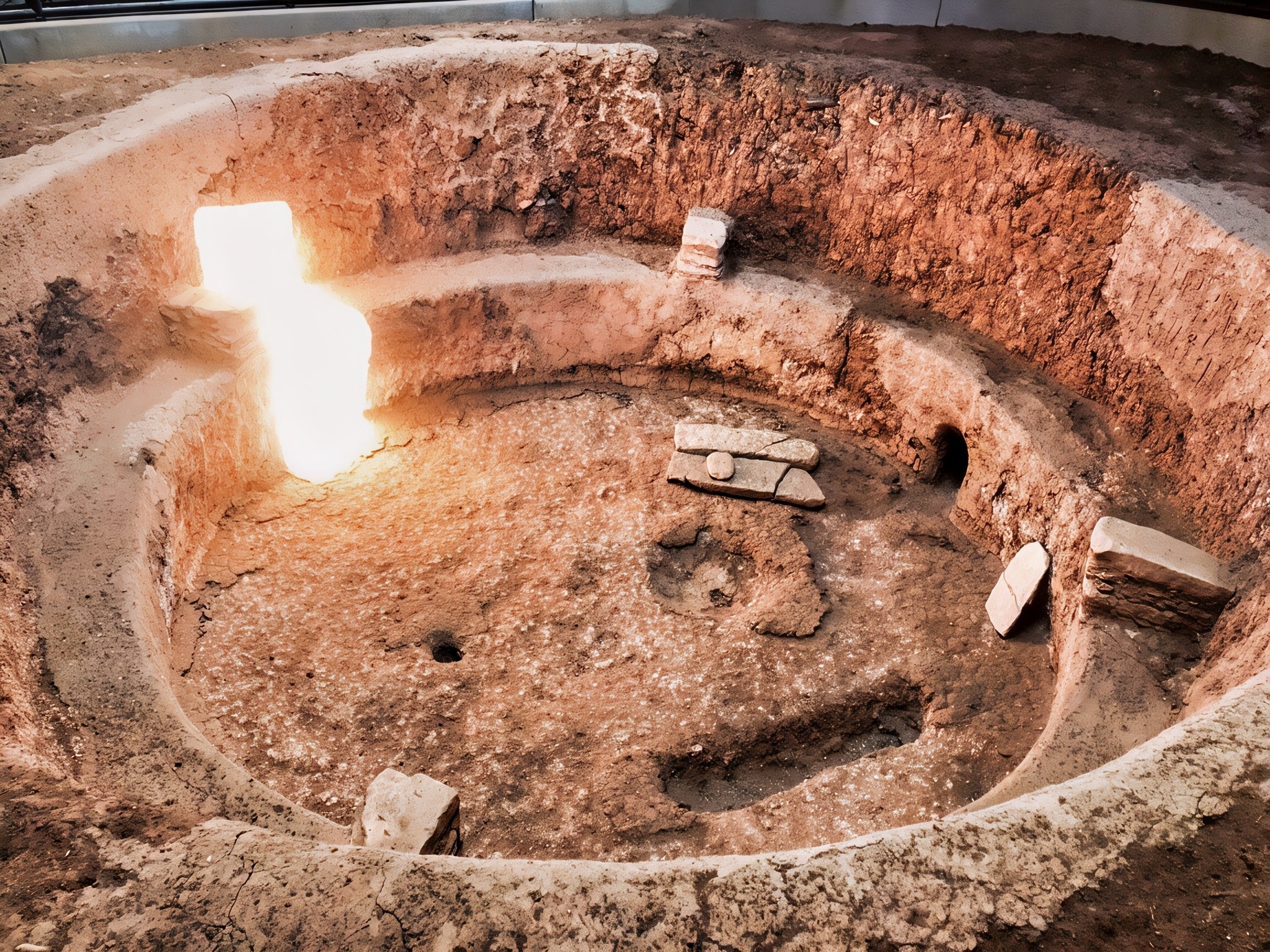

The Pithouses and Early Pueblo Villages site at Mesa Verde National Park shows how Ancestral Pueblo communities gradually changed the way they built their homes. Early families lived in pithouses, which were partly dug into the ground and covered with roofs made of wood, brush, and mud. As communities became larger and more settled, people began constructing connected rooms above ground, eventually creating the stone pueblos for which the region became famous. These archaeological remains help visitors see that Mesa Verde’s well-known cliff dwellings were part of a much longer history of architectural development (National Park Service [NPS], 2025a).
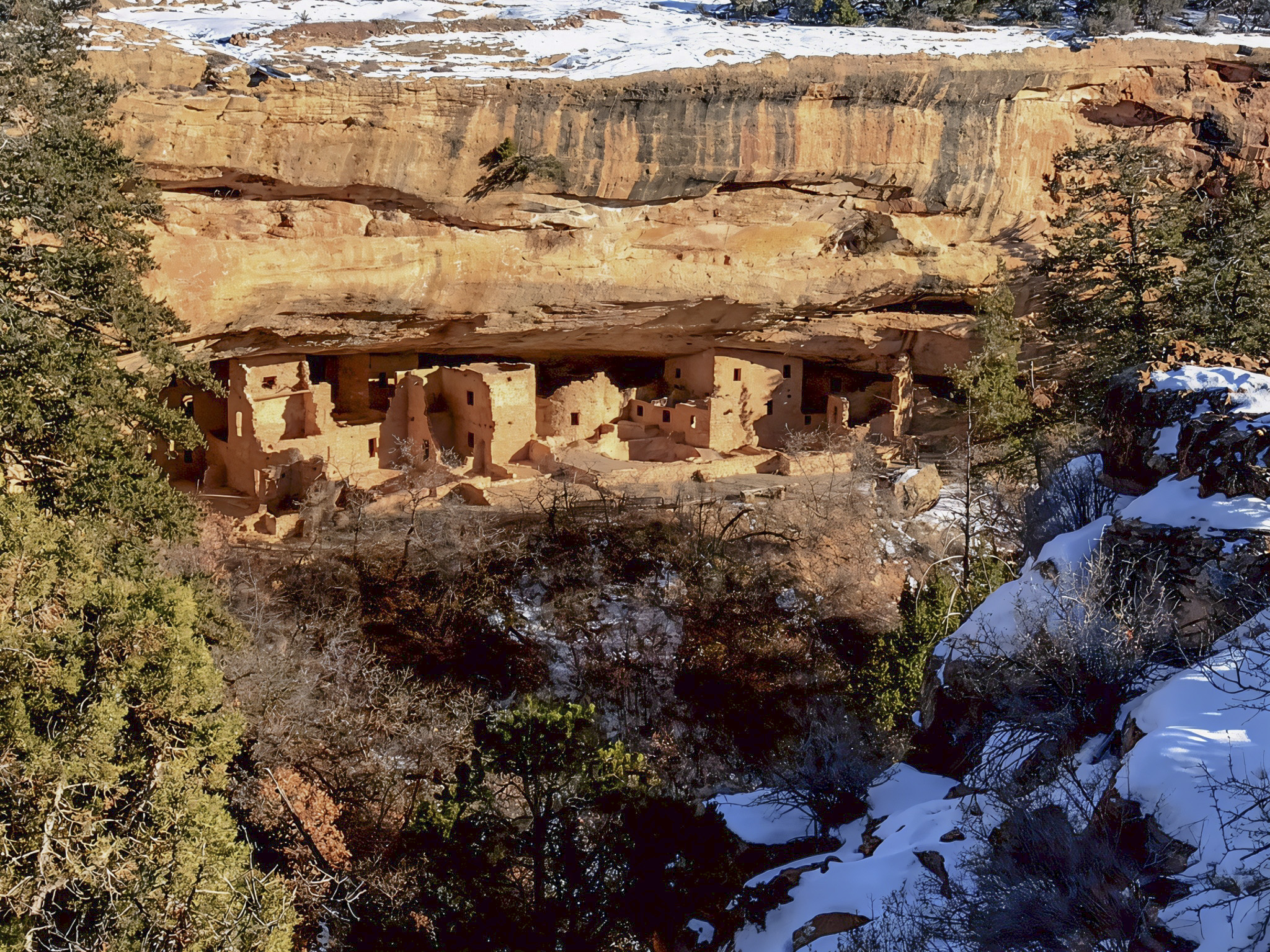
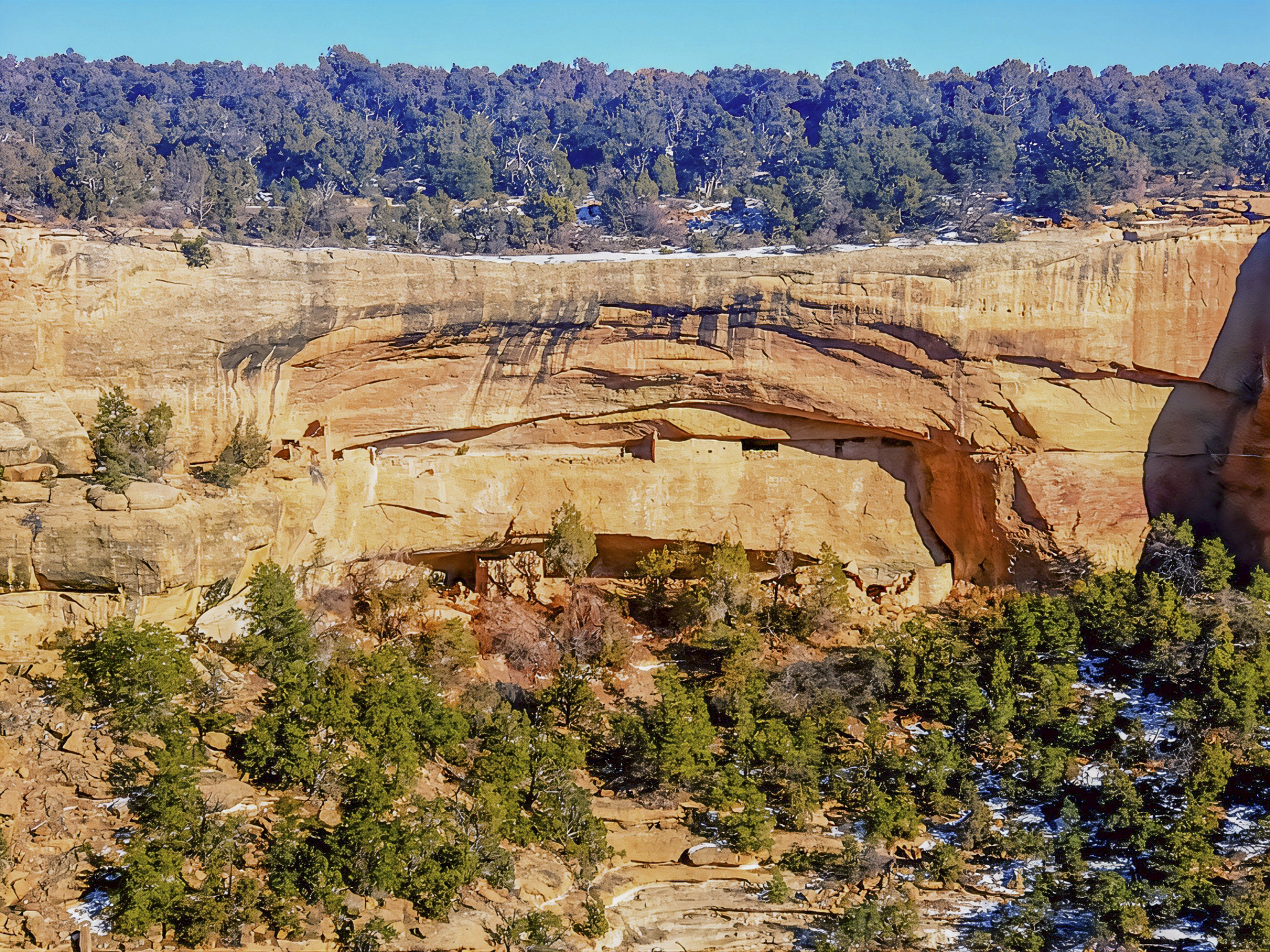
For travelers, the site is located along the Mesa Top Loop Road, a scenic self-guided route through some of Mesa Verde’s most important archaeological areas. Short, accessible paths lead to excavated pithouses, early pueblos, interpretive exhibits, and overlooks of later cliff dwellings. The loop provides an especially useful introduction to Mesa Verde because visitors can follow the progression from early underground homes to masonry villages and, eventually, large settlements constructed within canyon alcoves. Visitors should remain on designated paths and avoid touching or climbing on archaeological structures because even seemingly solid walls and exposed surfaces are fragile (NPS, 2025b).

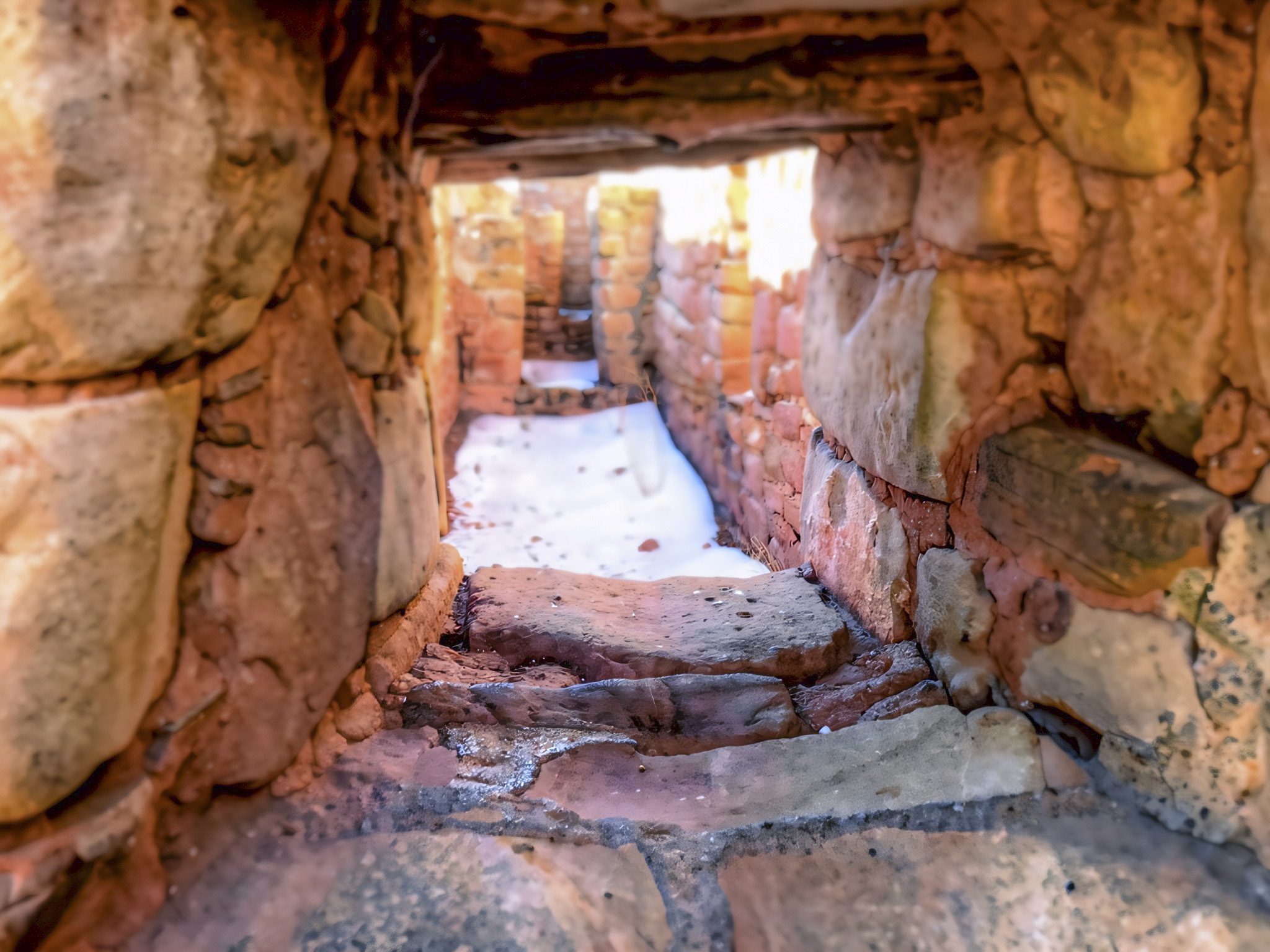
Historically, these settlements developed as Ancestral Pueblo people became increasingly dependent on farming and permanent village life. Families cultivated crops such as corn, beans, and squash, while continuing to hunt animals and gather wild plants. Early above-ground buildings were made from wooden posts, branches, and mud, but later builders increasingly used sandstone blocks joined with clay mortar. Rooms were constructed beside one another and shared walls, allowing villages to expand. Pithouse-like structures also continued to be built and became deeper and more specialized, contributing to the architectural tradition of the kiva, an important community space that remains significant in Pueblo cultures today (NPS, 2024; NPS, 2025c).
Scientifically, the site gives archaeologists a valuable record of changing technology, agriculture, architecture, and daily life. Features such as post holes, hearths, ventilation shafts, storage areas, hardened floors, masonry foundations, and overlapping structures allow researchers to reconstruct how homes were built and modified through generations. Stone tools such as manos and metates were used to grind corn and other plant foods, while pottery became increasingly important for cooking and storage. Archaeologists can also study changes in construction materials and village layouts to understand how growing populations adapted to the Mesa Verde environment. Together with Pueblo oral traditions, these archaeological clues reveal centuries of technological innovation and cultural continuity in the region (NPS, 2025a; NPS, 2025c).


References:
National Park Service. (2024). Pithouse & Early Pueblos. Mesa Verde National Park.NPS — Pithouse & Early Pueblos
National Park Service. (2025a). An introduction to Mesa Verde. Mesa Verde National Park. NPS — An Introduction to Mesa Verde
National Park Service. (2025b). Mesa Top Loop Road. Mesa Verde National Park. NPS — Mesa Top Loop Road
National Park Service. (2025c). Virtual Mesa Top Loop Drive. Mesa Verde National Park. NPS — Virtual Mesa Top Loop Drive
AI Disclosure Statement:
Artificial intelligence tools were used in the creation of this page, including elements such as writing, image enhancement/generation, voice enhancement, and/or editing support. All final creative decisions were made by the creator.
Leave a Reply