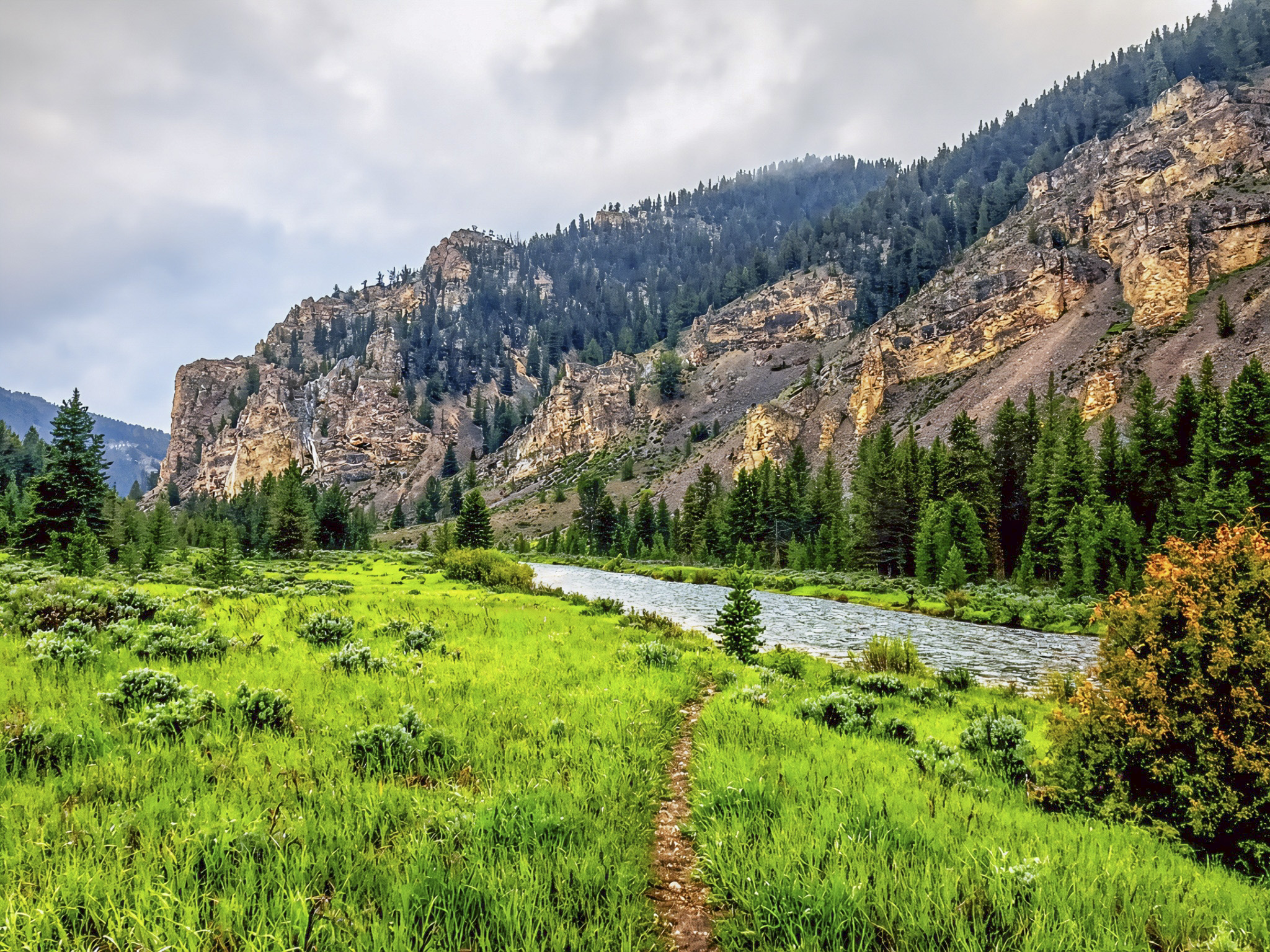

The Gallatin River is one of the most scenic waterways in southwestern Montana, flowing through a landscape of mountains, forests, and valleys near Yellowstone National Park. Originating in the mountains of northwestern Wyoming, the river travels north through Montana before joining the Madison and Jefferson rivers near Three Forks to form the Missouri River. Along its upper reaches, the Gallatin passes through mountainous terrain that forms part of the Greater Yellowstone Ecosystem, one of North America’s most significant natural landscapes. Much of the surrounding region is managed by the Custer Gallatin National Forest, which protects extensive forests, wildlife habitats, and recreational areas. The United States Forest Service (USFS, n.d.-a) identifies this national forest as an important part of the Greater Yellowstone Ecosystem, encompassing more than three million acres of diverse landscapes.
Travelers can explore the Gallatin River corridor by following U.S. Highway 191, a scenic roadway connecting West Yellowstone with communities farther north, including Big Sky and Bozeman. The highway provides opportunities to appreciate the river and surrounding mountains while passing through forested valleys and rugged terrain. Visitors can enjoy sightseeing, hiking, wildlife watching, camping, and fishing at designated public access areas. The upper Gallatin River is especially attractive to anglers interested in trout fishing, while nearby forest trails offer opportunities to explore the surrounding mountain environment. The Custer Gallatin National Forest provides numerous recreational options, including hiking trails, campgrounds, scenic drives, and river fishing areas (USFS, n.d.-b). Visitors should check local access regulations, weather conditions, and fishing requirements before traveling, particularly because mountain weather and river conditions can change unexpectedly.

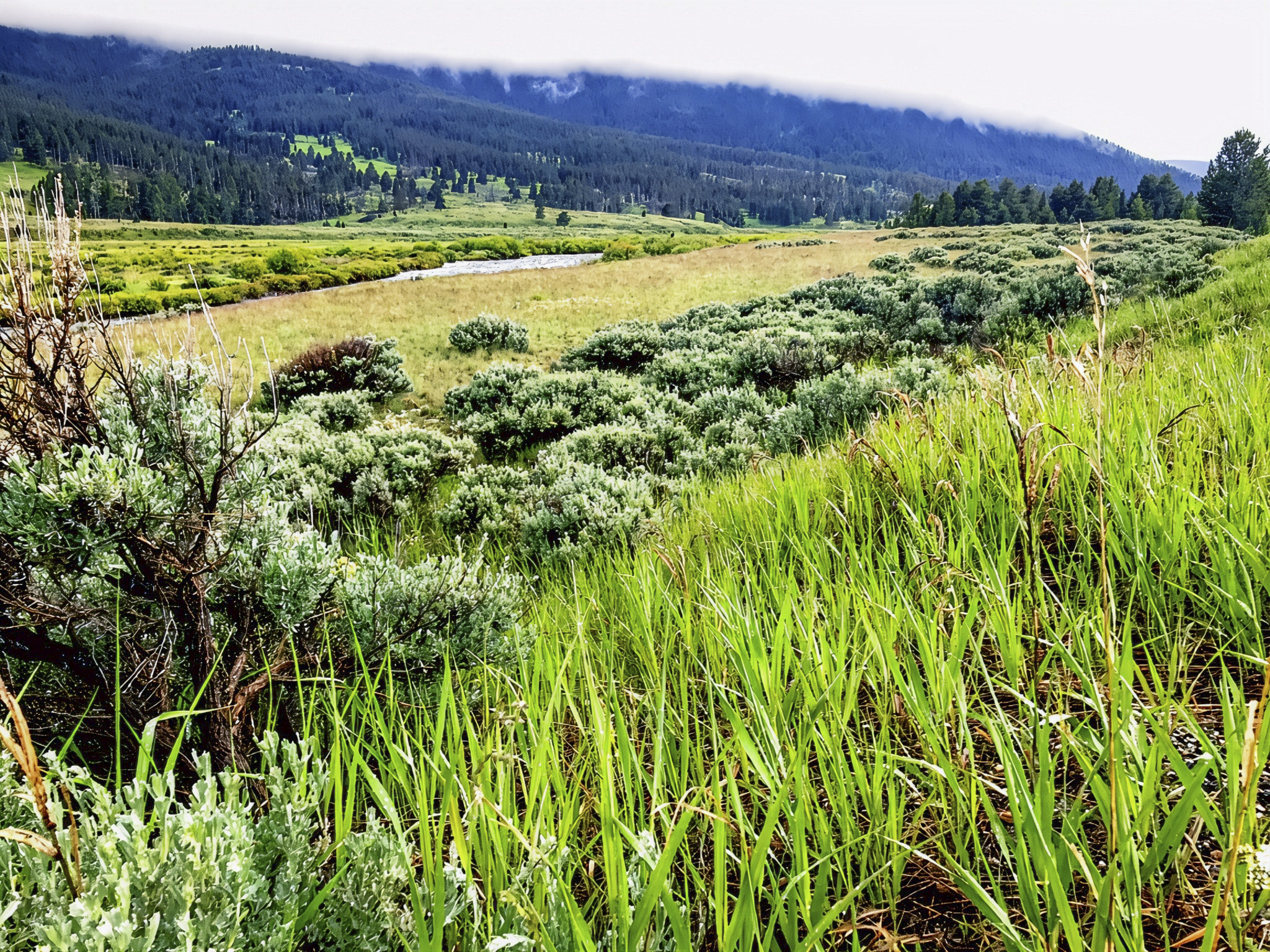
One of the most interesting aspects of the Gallatin River corridor is the diversity of natural environments found within a relatively small area. The landscape includes mountain slopes, rocky cliffs, coniferous forests, riverside meadows, and streams. Forests in this part of the northern Rocky Mountains contain species such as lodgepole pine (Pinus contorta), Douglas-fir (Pseudotsuga menziesii), and Engelmann spruce (Picea engelmannii), although their distribution varies with elevation, soil conditions, and moisture. Along the riverbanks, moisture-loving vegetation such as willows (Salix spp.), grasses, and sedges helps support a different ecological community from the drier forested slopes. These riparian areas provide important habitat for birds, insects, and mammals while helping stabilize streambanks and maintain the ecological connection between rivers and surrounding forests. The diversity of forest and stream habitats contributes to the ecological importance of the Greater Yellowstone region (USFS, n.d.-a).
The Gallatin River also supports an aquatic ecosystem where water temperature, streamflow, and habitat conditions influence the organisms living beneath the surface. Trout and aquatic invertebrates are important parts of the river’s food web, with insects providing food for fish and other wildlife. Montana Fish, Wildlife & Parks (FWP, n.d.) emphasizes the importance of protecting cold-water trout fisheries, particularly as changing temperatures, drought, and reduced streamflows can threaten aquatic habitats. Beyond the river, the surrounding forests provide habitat for wildlife such as elk, mule deer, black bears, grizzly bears, and numerous bird species, although sightings are never guaranteed. Forest vegetation and riverside plants also contribute to healthy watersheds by reducing erosion, filtering runoff, and providing shade that helps moderate water temperatures. For travelers and science-lovers, the Gallatin River offers more than an opportunity to enjoy mountain scenery. It is also a place to understand how flowing water, forests, geology, and wildlife interact to create and sustain the natural ecosystems of the Rocky Mountains.


References
Montana Fish, Wildlife & Parks. (n.d.). Fish in Montana. https://fwp.mt.gov/fish
U.S. Forest Service. (n.d.-a). Custer Gallatin National Forest. U.S. Department of Agriculture. https://www.fs.usda.gov/r01/custergallatin
U.S. Forest Service. (n.d.-b). Custer Gallatin National Forest: Recreation. U.S. Department of Agriculture. https://www.fs.usda.gov/r01/custergallatin/recreation
AI Disclosure Statement:
Artificial intelligence tools were used in the creation of this page, including elements such as writing, image enhancement/generation, voice enhancement, and/or editing support. All final creative decisions were made by the creator.


Leave a Reply