

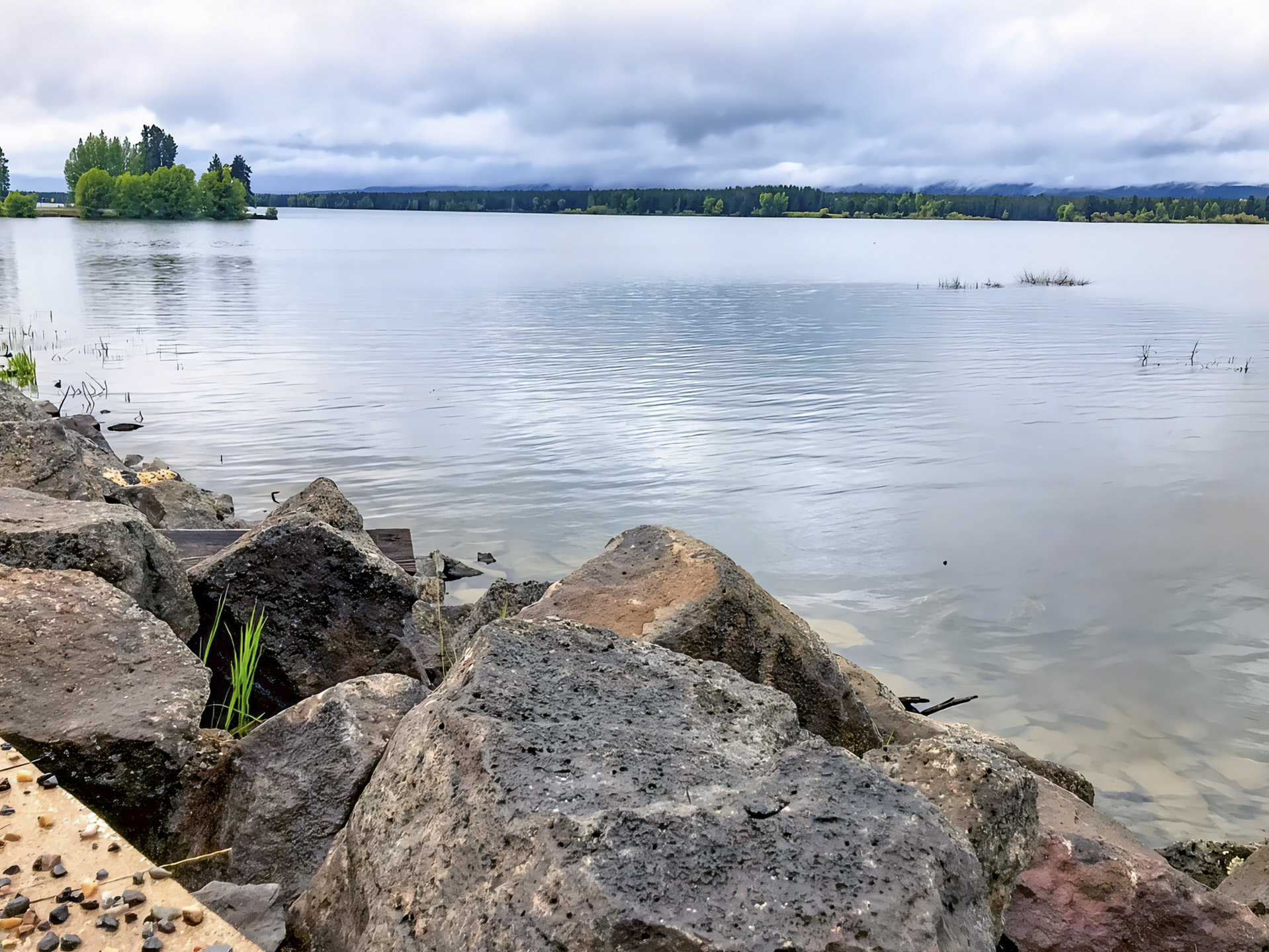
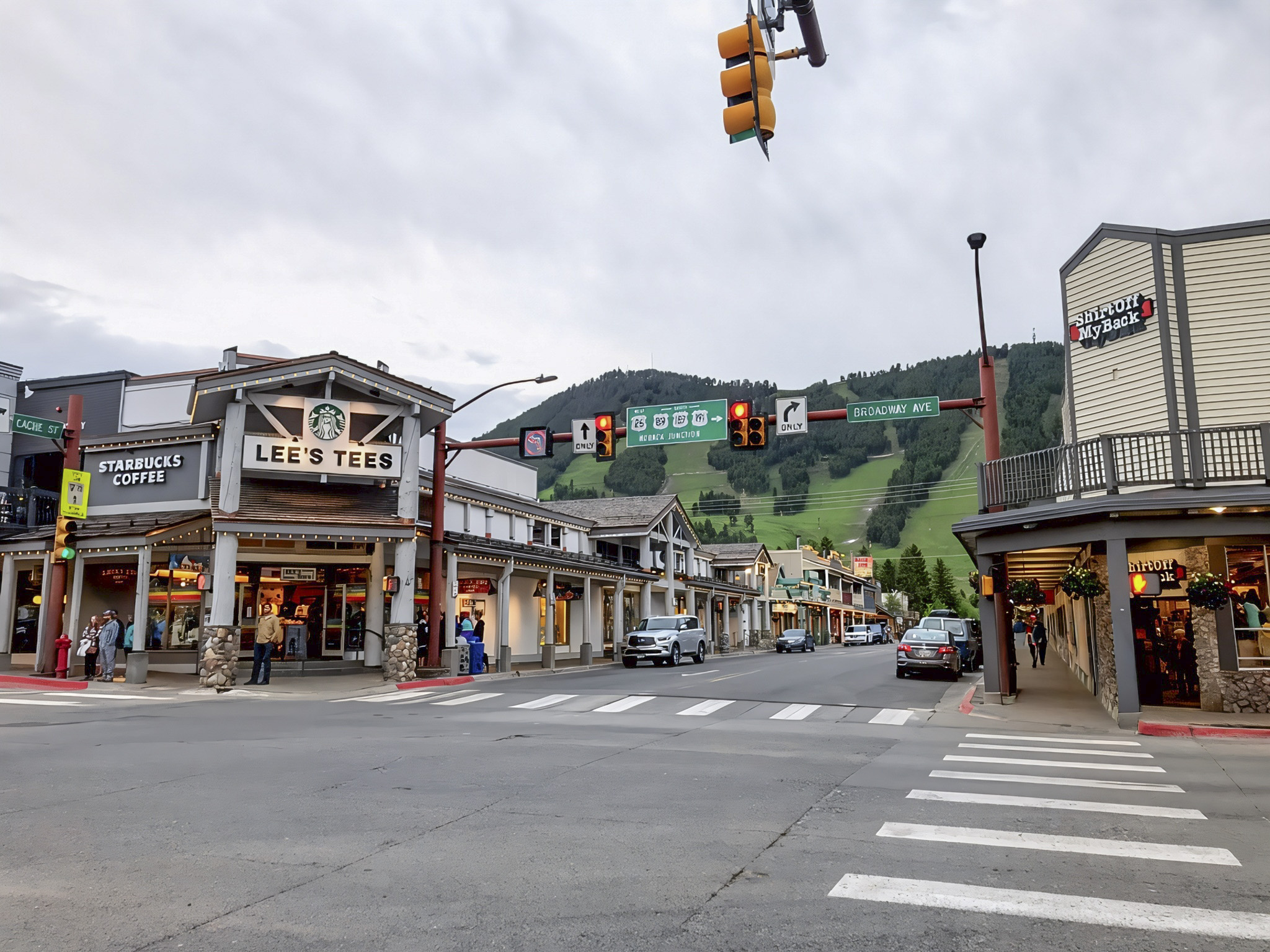
West Yellowstone is a small mountain town in southwestern Montana, located beside the western entrance of Yellowstone National Park. Surrounded by forests, rivers, and mountain landscapes, the town serves as an important gateway for travelers exploring one of the world’s most remarkable natural areas. Although West Yellowstone has a relatively small year-round population, it welcomes millions of visitors annually. Its downtown offers restaurants, hotels, souvenir shops, art galleries, and businesses featuring Western-style architecture. The town is also an excellent starting point for exploring the Greater Yellowstone Ecosystem, a vast region known for its wildlife, volcanic landscapes, and geothermal activity. According to the National Park Service (n.d.-a), Yellowstone contains more than 10,000 hydrothermal features, including approximately 500 geysers, making the surrounding region especially interesting for travelers and science enthusiasts.
West Yellowstone has a fascinating history connected to the development of tourism and transportation in the American West. Before the arrival of European American settlers, Indigenous peoples had lived in and traveled through the Yellowstone region for thousands of years. The modern town began developing when the Union Pacific Railroad established passenger service to the area in 1908, allowing tourists to reach Yellowstone more conveniently. Early visitors often continued their journeys into the national park by stagecoach before automobiles became a common form of transportation. As tourism expanded, hotels, restaurants, and other businesses developed around the railroad terminal. The community was officially incorporated in 1966, and several historic railroad structures remain preserved within the West Yellowstone Oregon Shortline Terminus Historic District. Today, the Museum of the Yellowstone, located in the former railroad depot, helps visitors understand the development of transportation and tourism in the region (Museum of the Yellowstone, n.d.; Town of West Yellowstone, n.d.).

For travelers, West Yellowstone offers a convenient combination of outdoor recreation, sightseeing, shopping, and educational attractions. Visitors can explore the downtown shopping district, enjoy local restaurants, purchase Yellowstone-themed souvenirs, or learn about regional history at the Museum of the Yellowstone. One of the town’s notable attractions is the Grizzly & Wolf Discovery Center, a nonprofit wildlife education facility where visitors can observe grizzly bears, gray wolves, river otters, and other animals while learning about their behavior and conservation. Outdoor enthusiasts can also explore nearby forests, hiking trails, rivers, and fishing areas. During winter, the region becomes a destination for cross-country skiing, snowshoeing, snowmobiling, and guided snowcoach excursions. Travelers planning to enter Yellowstone should check road conditions and seasonal restrictions because most park roads close to ordinary automobiles during winter (Grizzly & Wolf Discovery Center, n.d.; National Park Service, n.d.-b).
Beyond its tourist attractions, West Yellowstone provides opportunities to learn about geology, ecology, and the natural processes that shaped the Yellowstone region. The western entrance leads into the Madison Valley, where the Madison River flows through landscapes influenced by ancient volcanic eruptions. Yellowstone sits above an active volcanic system, and its geysers, hot springs, and other hydrothermal features demonstrate how underground heat interacts with water and rock. The surrounding Greater Yellowstone Ecosystem also supports diverse wildlife, including elk, bison, wolves, grizzly bears, and numerous bird species. These animals are connected through complex ecological relationships involving predators, prey, vegetation, and seasonal environmental changes. For science-loving travelers, visiting West Yellowstone is more than a traditional vacation experience. It offers an opportunity to discover how geological forces, biological diversity, conservation, and human history come together in one of North America’s most extraordinary natural regions (National Park Service, n.d.-a, n.d.-c).


References
Grizzly & Wolf Discovery Center. (n.d.). Exhibits. https://www.grizzlydiscoveryctr.org/visit/exhibits
Museum of the Yellowstone. (n.d.). About the museum. https://museumoftheyellowstone.org/about
National Park Service. (n.d.-a). Geology—Yellowstone National Park. https://www.nps.gov/yell/learn/nature/geology.htm
National Park Service. (n.d.-b). Basic information—Yellowstone National Park. https://www.nps.gov/yell/planyourvisit/basicinfo.htm
National Park Service. (n.d.-c). Park facts—Yellowstone National Park. https://www.nps.gov/yell/planyourvisit/parkfacts.htm
Town of West Yellowstone. (n.d.). Visitors. https://www.townofwestyellowstone.com/visitors-final
AI Disclosure Statement:
Artificial intelligence tools were used in the creation of this page, including elements such as writing, image enhancement/generation, voice enhancement, and/or editing support. All final creative decisions were made by the creator.

Leave a Reply