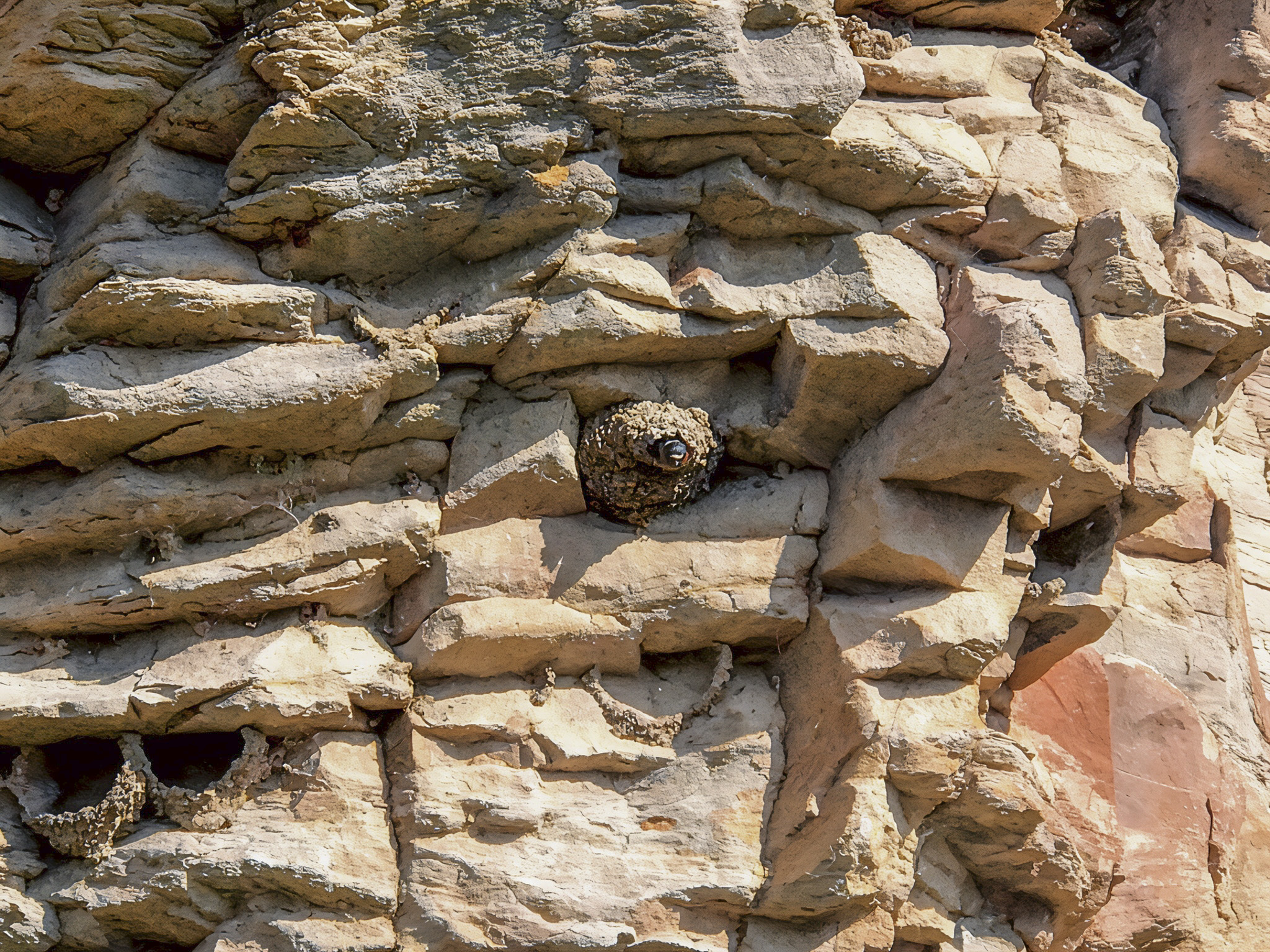

Near the Missouri River in Great Falls, Montana, the natural landscape provides an important habitat for one of North America’s most fascinating migratory birds—the cliff swallow (Petrochelidon pyrrhonota). Along the Lewis and Clark Nature Walk near Giant Springs State Park, rocky cliffs offer suitable locations for these birds to build their distinctive mud nests. Cliff swallows are highly social birds that often nest together in large colonies, sometimes containing hundreds or even thousands of nests. Although they traditionally nested on natural cliffs, they have also adapted to bridges, buildings, and other human-made structures. Giant Springs State Park provides opportunities for birdwatching, hiking, and exploring the Missouri River environment, making it an interesting destination for travelers and nature lovers (Cornell Lab of Ornithology, n.d.; Montana Fish, Wildlife & Parks, n.d.).
One of the most remarkable characteristics of cliff swallows is their ability to construct nests using mud. Unlike birds that build nests primarily from twigs and grasses, cliff swallows collect small pellets of wet mud from riverbanks, puddles, and other moist areas. Both males and females participate in construction, carefully attaching the mud pellets to vertical surfaces, usually beneath protective overhangs. According to the Cornell Lab of Ornithology (n.d.), a typical completed nest contains approximately 900 to 1,200 mud pellets. These nests have a rounded, gourd-like shape with a narrow entrance that leads into a protected chamber for eggs and young birds. Cliff swallows also demonstrate interesting social behavior. Their colonies can serve as information centers where unsuccessful birds follow successful neighbors to areas containing abundant flying insects. This cooperation provides an example of how social living can influence the survival and feeding behavior of wildlife.


The geological formations around Great Falls also help explain why these birds choose certain nesting locations. The region contains ancient sedimentary rocks, including sandstone, siltstone, and shale, that developed through natural processes over millions of years. Geological studies by the U.S. Geological Survey describe the widespread presence of these sedimentary formations across Montana and the northern Great Plains (Dyman et al., 1994). Over time, weathering and erosion can create fractures, recesses, and overhanging ledges in exposed rock formations. These features provide sheltered surfaces where cliff swallows can attach their mud nests. The relationship between rocks and wildlife demonstrates an important ecological principle: geological landscapes help determine where animals can find suitable habitats. For cliff swallows, the combination of stable rock surfaces, nearby water, mud supplies, and flying insects creates favorable conditions for establishing nesting colonies (Cornell Lab of Ornithology, n.d.).
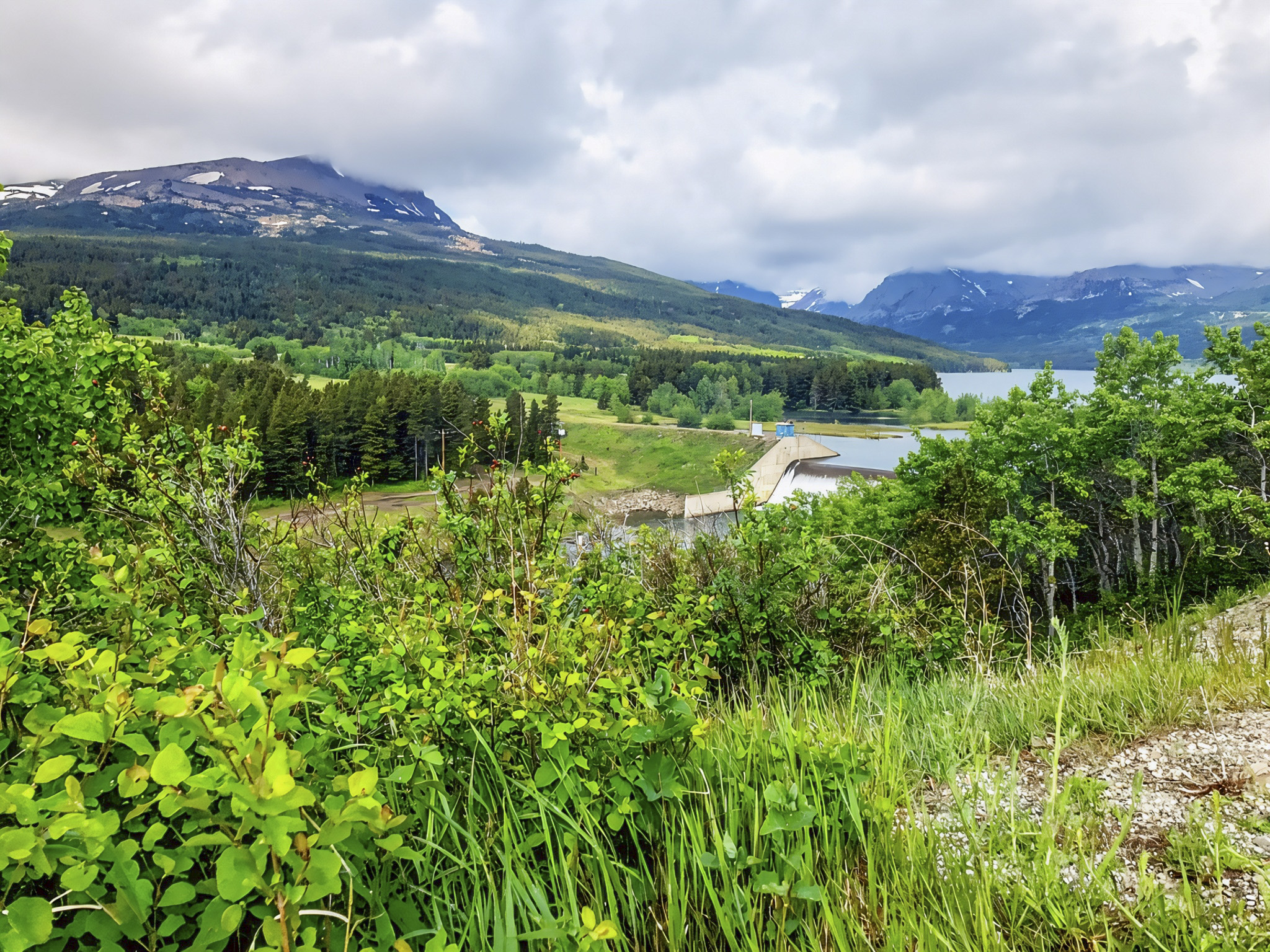
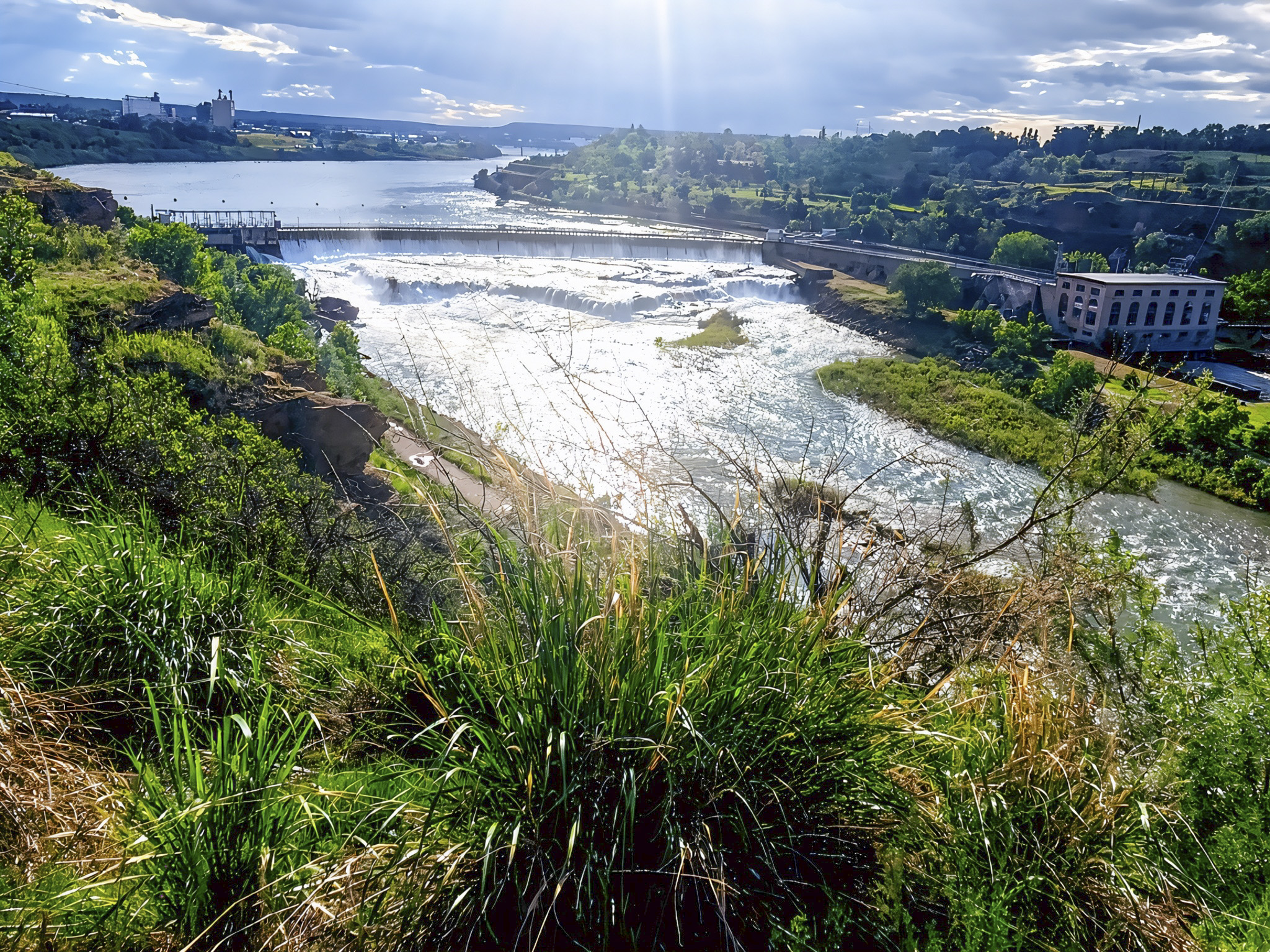
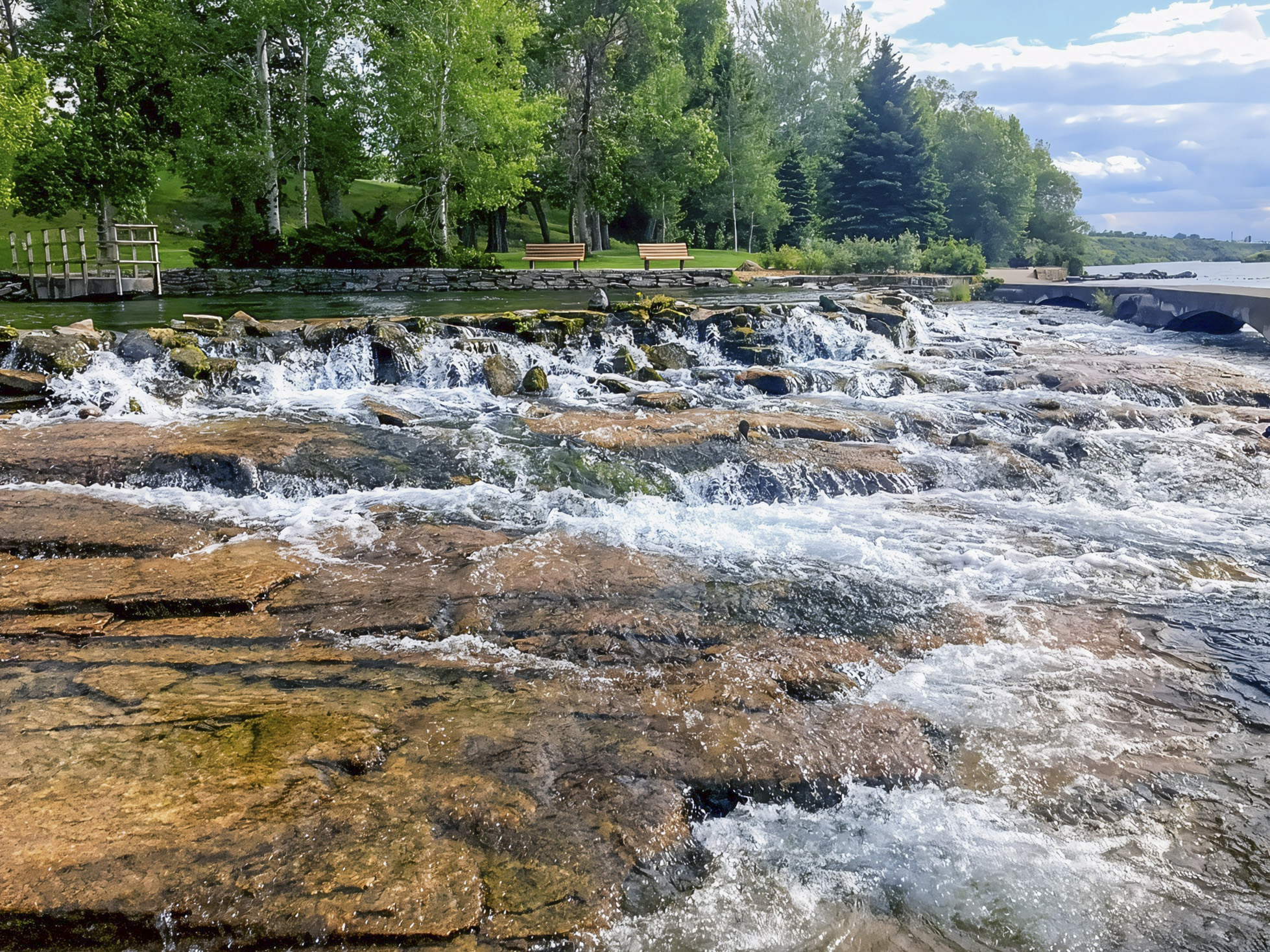
For travelers exploring Great Falls, the Missouri River corridor offers opportunities to discover the connection between geology, ecology, and bird migration. Giant Springs State Park features walking trails, river overlooks, wildlife-viewing areas, and educational exhibits that introduce visitors to the region’s natural history. During the breeding season, cliff swallows may be observed flying above waterways, collecting mud, or moving between their nests and feeding areas. These birds are also remarkable long-distance travelers, migrating between their North American breeding grounds and wintering areas in South America (Cornell Lab of Ornithology, n.d.). Visitors can enjoy watching their behavior from a respectful distance without approaching or disturbing occupied nests. Exploring these nesting habitats reveals how ancient geological formations continue to support modern wildlife, making the Great Falls area an appealing destination for travelers interested in birds, natural landscapes, and science.


References
Cornell Lab of Ornithology. (n.d.). Cliff swallow life history. All About Birds.
https://www.allaboutbirds.org/guide/Cliff_Swallow/lifehistory
Dyman, T. S., Cobban, W. A., Fox, J. E., Hammond, R. H., Nichols, D. J., Perry, W. J., Jr., Porter, K. W., Rice, D. D., Setterholm, D. R., Shurr, G. W., Tysdal, R. G., Haley, J. C., & Campen, E. B. (1994). Cretaceous rocks from southwestern Montana to southwestern Minnesota, northern Rocky Mountains, and Great Plains. U.S. Geological Survey.
https://pubs.usgs.gov/publication/70186522
Montana Fish, Wildlife & Parks. (n.d.). Giant Springs State Park.
https://fwp.mt.gov/stateparks/giant-springs
AI Disclosure Statement:
Artificial intelligence tools were used in the creation of this page, including elements such as writing, image enhancement/generation, voice enhancement, and/or editing support. All final creative decisions were made by the creator.
Leave a Reply